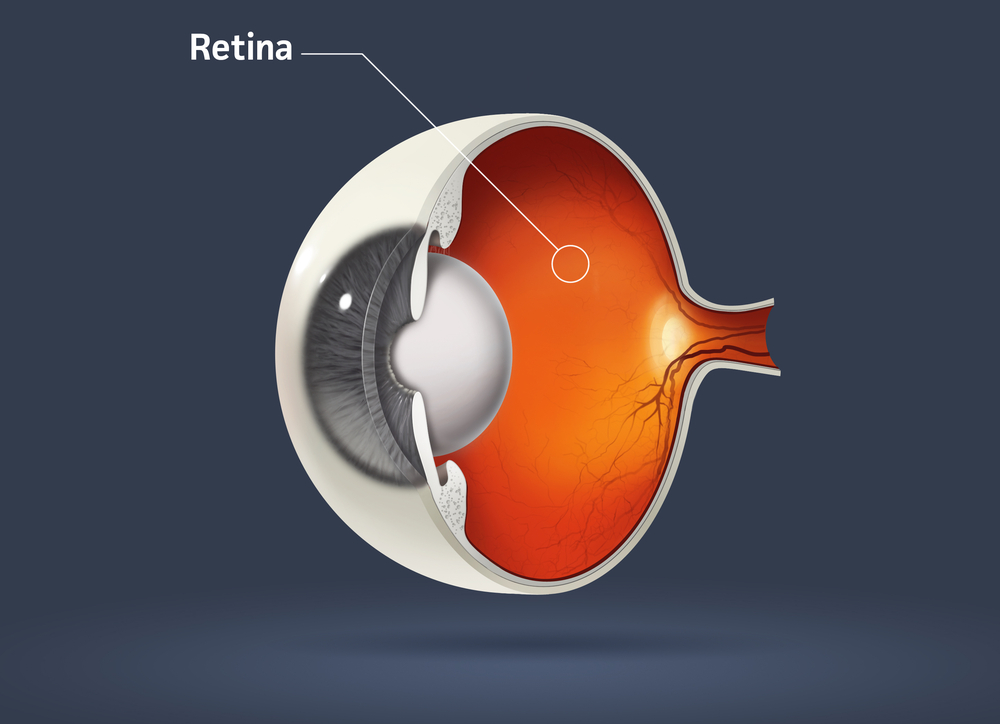
Another interesting approach in the therapy of a wide range of ocular pathologies, especially those affecting the retina, is intravitreal injection. For macular degeneration, diabetic retinopathy, retinal vein occlusion, and other diseases of the retina, these injections into the vitreous, a gel-like substance within the eye, deliver medicine. Getting to the inside of the eyelets, drugs go straight where they are wanted, in effect presenting a possible means of saving and perhaps even giving back sight.
WHAT IS AN INTRAVITREAL INJECTION?
Intravitreal injection denotes injections that are dispensed into the vitreous cavity of the eye, and medicines that entail are exactly as the word signifies. Usually done in an outpatient environment, the surgery is minimally invasive. Common medications utilized in these injections are a range comprising antibiotics, corticosteroids, and anti-VEGF medicines. Usually helping to prevent or slow down vision loss, these drugs aim to lower inflammation, control aberrant blood vessel formation, and stop more damage to the retina.
THE PROS OF INTRAVENOUS INJECTIONS
It is the most important strength of intravitreal injections that it is able to target the issue independently. As the chemical is pumped where it is needed, the injection provides a much faster and more effective solution than the drugs taken orally or applied on the skin’s surface, such as Anti-VEGF injections used in treating age-related macular degeneration by preventing the formation of new, abnormal blood vessels within the eye as well as causing visual loss. Such focused distribution ensures that the medicine works without side effects and effectiveness.

INTRAVITREAL INFECTIONS
MEDICINAL APPROACH FOR RETINAL DISORDERS
Intravitreal injections are prescribed in various situations in order to manage several retinal diseases, particularly those that are characterized by inflammation or angiogenesis. Ruptured blood vessels exemplified by the, can lead to vision loss in a fairly common diabetes complication, diabetic retinopathy. Intravenous injections help to stop more retinal damage and lessen these leaks. Similarly, injections that lower inflammation and enhance visual outcomes help to effectively treat disorders, including macular edema or retinal vein blockage, both of which cause fluid buildup in the retina.
MINIMALLY INVASIVE PROCEDURE
Facilitating an intravitreal injection is an intuitive, barely noticeable process. Usually requiring just a local anesthetic, the injection itself only takes a few minutes. Though the thought of an eye injection sounds frightening, most people bear it really well. When done by a qualified retina expert, the risks of infection or sequelae are negligible. Post-procedure discomfort is minimal, and many patients experience no significant side effects. This quick and effective treatment makes intravitreal injections an appealing option for patients with retinal conditions.
RAPID AND TARGETED RELIEF
For a significant number of patients, intravitreal injections offer immediate favorable change. Since the drug is injected straight into the vitreous, it starts to act practically immediately; many patients report changes in vision within days to weeks of administration. This speed is absolutely vital in preventing permanent vision loss for disorders including diabetic macular edema or wet macular degeneration. For patients with persistent retinal diseases, the treatment’s targeted character also lowers the chance of systemic side effects, so it is a perfect solution.
FREQUENCY OF INJECTIONS
Although intravitreal injections are quite successful, they are not a single solution generally. Patients may require frequent injections spanning several months or even years, depending on the illness under treatment. Patients with wet macular degeneration might, for instance, need injections every four to six weeks. Though the idea of regular injections can be intimidating, the advantages usually exceed the discomfort, particularly in cases when losing vision is the alternative. Closely working with patients, doctors create a treatment plan that strikes a mix of comfort and efficacy.
POTENTIAL SIDE EFFECTS OF INTRAVITREAL INJECTIONS
Like any medical treatment, intravitreal injections carry some possible hazards and adverse effects. The most often occurring adverse effects are minor ones, including redness, pain, or eye irritation right after the injection. Rarely occurring, more major consequences such as retinal detachment, eye infections, or raised intraocular pressure might arise. These problems are rare, though, and usually arise from the execution of the operation or inadequate sterile practices. Before the operation, you should talk to your doctor about any worries to help you grasp the risks and get ready for any expected adverse effects.
RISKS OF INFECTION AND OTHER COMPLICATIONS
Although rare, endophthalmitis, a possibly sight-threatening eye infection, is one of the more major hazards linked with intravitreal injections. Other concerns could include cataract development or intraocular pressure increase, which, if untreated and neglected, could cause glaucoma. Still, with quick medical intervention, these issues normally can be controlled really well. Following their doctor’s advice after injection is absolutely vital for patients to reduce risks and keep an eye on any symptoms of infection or problems.
POST-PROCEDURE CARE
Patients are advised to keep up several precautions following an intravitreal injection to guarantee a seamless recovery. Usually, patients are instructed not to rub their eyes and to relax for a little bit. Although most patients can resume regular activities the day following the operation, it is advisable to avoid swimming for a brief period or intense exercise. To ward off infection, doctors could also advise antibiotic eye drops. Monitoring the efficacy of the treatment and any possible adverse effects will need frequent follow-up visits to guarantee the best eye condition.
THE LONG-TERM OUTLOOK
The long-term efficacy of intravitreal injections is contingent upon the medical condition being addressed. Intravenital injections significantly improve vision for many retinal conditions, therefore stabilizing or perhaps restoring sight. Still, some retinal diseases are chronic; hence, continuous therapy could be required to preserve the advantages. Assessing the course of the condition and modifying treatment strategies as necessary depend on regular monitoring by a retina specialist. Many people have better visual quality and a higher quality of life with the correct treatment with timely injections.
CONCLUSION
We at Retina Vitreous Associates of Florida comprehend how important it is to serve our patients with advanced therapies like intravitreal injections. Leading and biggest retina clinic in the area, our board-certified, fellowship-trained experts are dedicated to providing individualized, innovative treatment. Using the most recent intravitreal injection techniques, we provide complete therapy for retinal illnesses, including diabetic retinopathy, macular degeneration, and retinal vein occlusion. Should you or someone you know be suffering from a retinal problem, we offer the knowledge and tools to guarantee the best possible results.