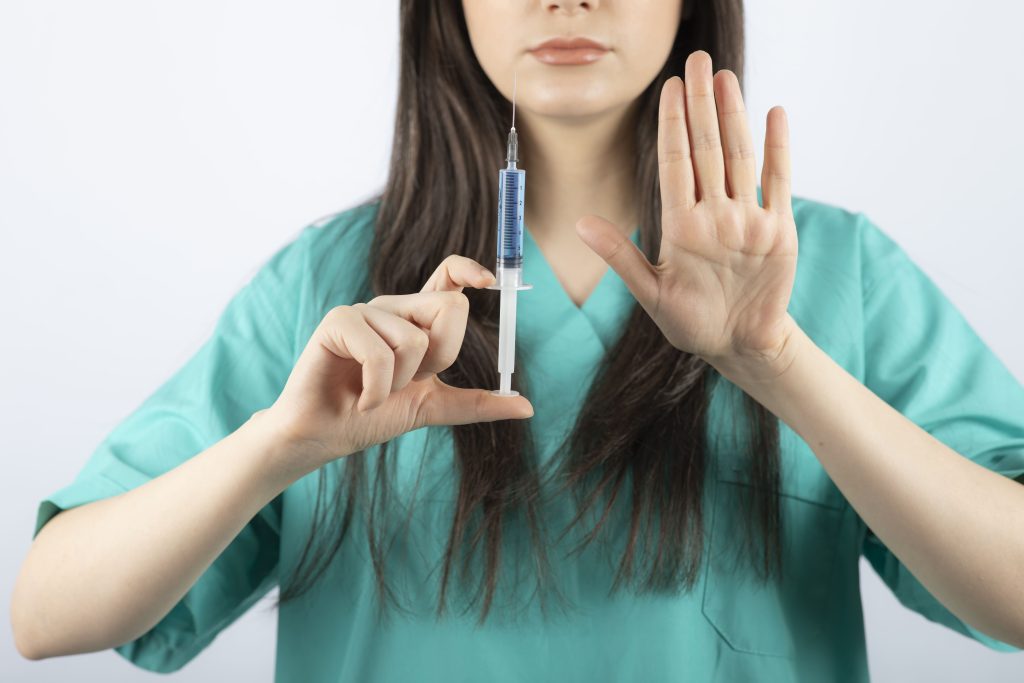
Eylea is a popular treatment for the eyes that helps thousands of people avoid vision loss. However, if you need a long-term treatment, you will want to be aware of the potential side effects. Understanding eylea injection side effects is essential before starting therapy. This guide will help inform you of what to expect and how to stay safe.
What Is Eylea?
Eylea (aflibercept) is an injection used to treat severe eye conditions. Physicians use this treatment for patients with an eye infection or the “wet” form of age-related macular degeneration (AMD), diabetic macular edema, and diabetic retinopathy.
Eylea works by blocking a protein in your body called vascular endothelial growth factor (VEGF). This causes abnormal blood vessels to stop growing or leaking in your retina. Patients typically receive injections lasting from 4 to 12 weeks to stabilize vision.
If you want to know how fast Eylea works, the answer varies by individual and condition, but most patients experience improvements within a few weeks of starting treatment, sometimes sooner.
Common Long-Term Side Effects of Eylea Injections
1. Cataracts
One of the most common long-term side effects of Eylea is cataracts. A cataract occurs when the lens of your eye becomes clouded over time, affecting your vision.
Having injections continually could cause cataracts to form sooner than usual for most patients. Older people are more likely to get cataracts sooner than younger people from Eylea.
Symptoms of cataracts include blurry vision, colors that may not look as bright as they used to, and difficulty seeing at night. If left untreated, cataracts can worsen, becoming cloudier over time.
Good news, cataract surgery is typically a successful procedure. Discuss this with your doctor and determine the best time for cataract surgery.
2. Increased Eye Pressure
Using Eylea for an extended period can lead to a permanent increase in eye pressure. Increased pressure can be detrimental to your optic nerve, which transmits messages from your eye to your brain. Eventually, damage to the optic nerve can lead to vision loss.
Symptoms of increased eye pressure include eye pain, blurry vision, red eyes, and headaches. After each injection, your doctor will check your eye pressure. If the pressure increases, you will need prescription eye drops to manage it.
3. Retinal Detachment
Retinal detachment is rare but serious. Retinal detachment occurs when the retina tears away from the back of your eye. Repeated injections may cause the tissue to weaken slightly. This can slightly increase the risk of retinal detachment, but the likelihood remains low.
Higher floaters, new flashes of light, blurry vision, or a dark shadow in vision are warning signs of retinal detachment. It is a medical emergency that requires immediate action. If you get treatment early, most will recover completely. Surgery is necessary to fix the problem, but the author’s personal experience with family was not a good indicator of recovery.
4. Blood Clot Risks
Eylea can slightly enter your bloodstream, which can lead to systemic risk, especially if you have heart disease, etc. In rare cases, Eylea may increase your risk of blood clots, which may lead to stroke, heart attack, or death. Symptoms to look out for are dizziness, numbness in your face or arms, changes in your speech, or severe headaches.
If you have heart disease, pay special attention to these symptoms. After injection, Eylea is generally out of your bloodstream in a matter of days, but you still take on some systemic risk (although minor) for the time that Eylea is in your bloodstream, even for a short period.
5. Endophthalmitis
Endophthalmitis is a severe eye infection that can occur after any eye injection. It is rare but can lead to permanent vision loss and requires urgent treatment. Endophthalmitis can rapidly lead to severe vision loss without treatment. If you develop symptoms such as eye pain, redness, swelling, decreased vision, or light sensitivity, contact your doctor right away.
Your eye doctor will use sterile technique to help prevent this after your injection. If you develop endophthalmitis, the treatment typically includes antibiotic injections into your eye, potentially antibiotic eye drops, and sometimes surgery.
If you develop mild side effects from Eylea, these side effects typically go away in a few days, like minor blurry vision, eye redness, or light sensitivity. Some side effects can develop into long-term issues, like cataracts or increased eye pressure, which need to be treated long-term with medication or surgery.
If side effects persist for more than a few days or worsen, contact your doctor. You should never ignore symptoms of vision worsening, worsening eye pain, or suddenly increased floaters.
Who Is At Greater Risk?
Some patients are at greater risk of possible complications with chronic use of Eylea. If you have glaucoma or high pressure in your eye, you should talk to your doctor about alternative treatment options.
If you have a history of blood clots, stroke, or heart disease, you will need careful monitoring. Patients with autoimmune diseases or prior eye surgery will also be at increased risk.
Your doctor should take a careful medical history and perform a thorough examination before treatment. This should allow them to decide whether to recommend Eylea for you and help them inform the best treatment plan for you.
Monitoring and Safety Steps
Ongoing monitoring will be required to help keep Eylea use safe for you in the long term. After each injection, your doctor will perform an eye exam.
This exam will also include testing your intraocular pressure (IOP) and optical coherence tomography (OCT) scans. Patients with cardiovascular risk factors may need additional cardiovascular evaluation.
Doctors use antibiotic eyedrops before and after injections to prevent infection. Makeup should also be avoided on the day of your injection appointment.
When To Get Medical Help Right Away?
Some symptoms will require emergency medical attention. If you notice sudden vision changes, ongoing severe eye pain, or a sudden increase in floaters, call your doctor or go to the emergency room.
Other signs include flashes of light, shadowing across your vision, and increased redness or swelling. Pain in your eye that worsens rather than improves is also an indication that you will need immediate care. You may be experiencing retinal detachment or an infection in your eye (or both). Treatment is critical to avoid long-term vision loss.
Managing Side Effects
You can manage the side effects of Eylea. Always follow your physician’s post-injection care instructions precisely.
To use eyedrops as directed, you should arrange for someone to drive you home after each injection in case of future transient vision changes. You will need to report anything concerning to your doctor as soon as possible. If you have side effects, document them to report back to your doctor during your visits or check-ins, etc. If there are complications, your doctor may adjust your treatment schedule or, in rare cases, switch to another medication.
Long-Term Benefits vs. Risks
Eylea is an excellent treatment for chronic retinal diseases. It has proven effective at preserving vision and halting further vision loss for the vast majority of patients. Although long-term side effects are possible, serious complications from treatment remain rare. The majority of patients endure Eylea treatment without consequence when seen and monitored appropriately by their eye doctor.
Awareness and monitoring as preventive measures are key. Regular check-ups help identify eye-related issues early on, making treatment easier.
RVAF – Your Vision, Our Priority.
Eylea injections can cause long-term side effects, such as cataracts, increased eye pressure, and rare but serious complications. However, the good news is that, with well-monitored eye care, patients can maintain good outcomes most of the time.
Understanding these potential side effects and complications will help you and your eye doctor make treatment decisions that best serve your vision health and quality of life. You will need to be aware of these risks to monitor any changes. You should work with your treating eye doctor to actively monitor your eye health and change to a different treatment as directed if you begin to notice any changes.
In most circumstances, the healthcare benefits of protecting your eyesight exceed the risks in patients with severe retinal disorders. Your physician can help you consider these factors in the context of your overall health.
Don’t let fear of the unknown delay the eye care you need. RVAF is a repository for eye health professionals and provides excellent resources about your eye treatment, answers to your questions, and trusted links to assist you with your vision health. Whether you are beginning an Eylea treatment or navigating chronic care, we are here to support your vision journey.
Schedule a visit today! The first step in maintaining your eyesight for “years to come” is to act today —so act today!
Frequently Asked Questions:
1. What are the long-term side effects of Eylea injections?
Long-term side effects of Eylea injections may include cataracts and increased eye pressure. Rare but serious complications include retinal detachment, eye infections, and potential cardiovascular risks. Regular eye examinations and monitoring can help identify complications early and protect vision during ongoing treatment.
2. Can Eylea injections cause permanent vision loss?
Although Eylea injections are used to help preserve vision, rare complications, such as severe eye infections or retinal detachment, can lead to permanent vision loss if not treated promptly. Contact your retina specialist immediately if you experience sudden vision changes, severe eye pain, or a sudden increase in floaters.
3. Are Eylea injections safe for long-term treatment?
Eylea injections are an effective treatment for chronic retinal conditions, helping many patients preserve vision and prevent further vision loss. Although long-term side effects are possible, serious complications are uncommon. Regular eye examinations, eye pressure checks, and appropriate monitoring help your retina specialist manage potential risks throughout treatment.
4. What symptoms should I watch for after an Eylea injection?
After an Eylea injection, you may experience mild redness, temporary blurry vision, or light sensitivity that typically improves within a few days. However, severe or worsening eye pain, sudden vision changes, increased floaters, flashes of light, a dark shadow in your vision, or significant redness and swelling require immediate medical attention.