Eylea HD is a high-dose eye injection used to treat serious retinal diseases, such as wet age-related macular degeneration and diabetic macular edema. While this medication generally helps maintain your vision, it is essential to be aware of potential side effects, especially for long-term eye health management.
Common Eylea HD Side Effects
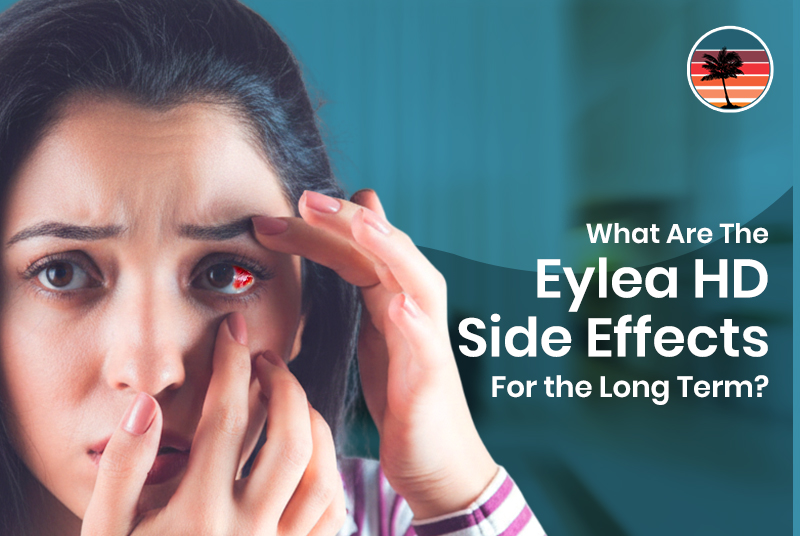
Most patients experience mild side effects after Eylea HD injections. Most common side effects include: eye pain, redness from minor bleeding of small blood vessels in or around the eye, and short-term blurred vision. Another common side effect is eye floaters—specks that can drift across your field of vision.
Other common reactions include feeling like a foreign body is in your eye, watery eyes, and/or eyelid swelling. Most side effects are temporary and go away after a few days following an injection.
Potential Serious Long-Term Side Effects Of Eylea Injections
-
Increased Eye Pressure and Glaucoma
Long-term use of Eylea HD can lead to sustained increases in intraocular pressure. The increased pressure often occurs within the first hour after injection and usually resolves to baseline on its own. However, if sustained elevated eye pressure persists, it can continue to affect the optic nerve, eventually leading to vision loss from glaucoma or other significant complications.
Your physician will check your eye pressure at each injection appointment. If needed, prescription eye drops might be necessary to treat any ongoing eye pressure concerns.
-
Cataract Development
Cloudiness of the lens of your eye is a common long-term complication from Eylea HD. These cloudy areas can worsen if left untreated. You may experience blurred vision, colors may not seem as bright, you may have difficulty seeing in low-light situations, and you may experience increased glare and sensitivity to glare.
Eventually, surgery may be needed to remove cataracts and restore your vision.
-
Retinal Complications
While rare, there is an increased risk of retinal tears or detachment after multiple injections. This is very serious, as the retina being torn or detached is an emergency requiring immediate medical attention. The warning signs include, but are not limited to, sudden flashes of light, an increased number of floaters, or a dark curtain blocking part of your vision.
-
Eye Infections
Endophthalmitis is a rare, significant infection that occurs within the eye. This is potentially very serious and can lead to blindness without quick medical follow-up. If you have significant eye pain, notice redness in your eye, or have difficulty seeing or worsening vision after an injection, please tell your physician immediately.
-
Inflammation
Some patients may develop uveitis or retinal vasculitis, inflammatory conditions that affect different parts of the eye. Repeated injections can also cause mild to moderate inflammation, requiring anti-inflammatory treatment to relieve eye redness, eye pain, blurred vision, and a gradual loss of vision.
Systemic Side Effects
While Eylea HD primarily affects the treated eye, it can also cause systemic side effects. The most serious concerns are blood clots, which can lead to stroke or heart attack after administration of Eylea HD.
The thrombosis and increased risk of heart attack or stroke have been studied in clinical trials where Eylea HD had a risk of 0.4% compared to standard Eylea, with 1.5% in patients with wet AMD. Patients who have heart disease, clots, or other heart conditions should take caution. Other systemic effects of Eylea HD include elevated blood pressure and delayed wound healing, both of which are mediated by VEGF inhibition.
Eylea HD Vs. Standard Eylea
Eylea HD provides 8 mg of aflibercept, compared with 2 mg with standard Eylea, and offers longer injection intervals, up to 16 weeks in the maintenance period. The systemic side effects of Eylea HD and standard Eylea are similar in terms of the risk of clotting; however, Eylea HD significantly reduces the risk of major clots, predominantly venous thromboembolic clots (VTE).
Managing Long-Term Side Effects
Long-term side effects are managed through clinical monitoring. Your eye doctor will monitor eye pressure, document vision with testing, and carefully examine the retina after each injection to ensure safety.
Report any new symptoms immediately, such as sudden changes in vision, persistent pain, or infection — many serious complications can be avoided if treated promptly, as permanent retinal damage can result.
There may be other treatments, such as eye drops or surgical treatment, if a patient develops cataracts or glaucoma as well. Regardless of these risks, more than 90% of patients with retinal diseases remain able to manage their conditions with dependence on proper monitoring and care.
Protect Your Vision With Expert Retina Care
Understanding the long-term side effects of Eylea HD injections will allow you to make better decisions about your eye health. Complications can happen, but if you see your retina specialist regularly, your risk of serious consequences will be minimized when treatment is necessary.
Don’t gamble with your vision.
All board-certified retina specialists at RVAF have 54+ years of experience providing state-of-the-art treatments for diseases such as macular degeneration, diabetic retinopathy, and retinal vein occlusion. At RVAF, we offer comprehensive treatment with the latest intravitreal therapies, including Eylea HD. We monitor patients closely for signs of complications so that they can be treated as early as possible.
Please make an appointment today at RVAF so we can provide you and your patients with the best retina care, delivered with expertise, compassion, and advanced technology. Your best possible vision begins here.