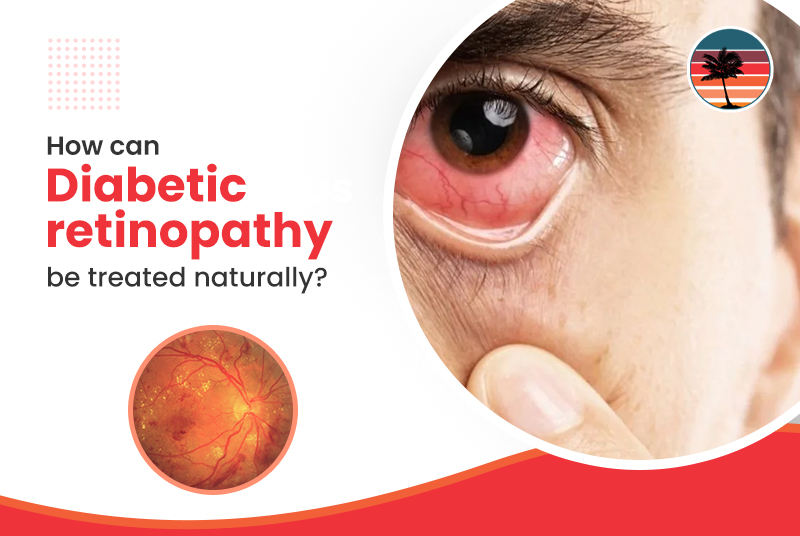
Quick answer: No natural remedy, food, herb, or supplement can cure diabetic retinopathy. But you have more influence than you might think. Keeping your blood sugar, blood pressure, and cholesterol in a healthy range, not smoking, and getting regular dilated eye exams can slow the disease and protect your vision. As the disease advances, medical treatments such as injections, laser, and surgery can preserve sight.
If you searched for natural ways to treat diabetic retinopathy, you are probably looking for two things: hope and a sense of control. Both are reasonable. This guide explains what natural, lifestyle-based steps can and can’t do, and when it is time to see a retina specialist.
Understanding Diabetic Retinopathy
What Is Diabetic Retinopathy?
Diabetic retinopathy develops when high blood sugar over time damages the tiny blood vessels in the retina, the light-sensing tissue at the back of the eye. Damaged vessels can leak fluid, swell, or close off. In later stages, the eye may grow fragile new vessels that bleed easily.
It is one of the leading causes of vision loss among adults with diabetes [cite source]. The encouraging part is that timely care prevents most severe vision loss.
Learn more about diabetic retinopathy diagnosis and treatment.
The Stages, in Plain Language
- Non-proliferative diabetic retinopathy (NPDR): Early to moderate damage. Blood vessels leak or weaken, and there may be no symptoms.
- Diabetic macular edema (DME): Fluid collects in the macula, the center of the retina, and blurs central vision. It can occur at any stage.
- Proliferative diabetic retinopathy (PDR): An advanced stage in which abnormal new vessels grow and can bleed or pull on the retina.
Read more about the proliferative diabetic retinopathy and its complications.
Common Symptoms
Early on, you may notice nothing. As the disease progresses, symptoms can include blurry or fluctuating vision, floaters or dark spots, difficulty seeing colors or at night, and dim or missing areas of vision. Because early disease is silent, regular exams matter more than symptoms.
Can Natural Remedies Cure It?
No. Once blood vessels in the retina are damaged, no food, herb, or supplement can repair them. Reviews of natural products for diabetic retinopathy have found insufficient clinical evidence that they work on their own [cite source].
That doesn’t mean lifestyle doesn’t matter. Healthy habits can lower your risk of developing retinopathy, slow its progress, and make medical treatment more effective. Think of them as the foundation, with your retina specialist’s care on top.
Lifestyle Steps That Help Protect Your Vision
1. Keep Blood Sugar in Your Target Range
This is the most important step. Sustained high blood sugar is what damages retinal vessels. Check your blood sugar as your care team recommends, take diabetes medications as prescribed, and follow a meal plan that works for you. Your doctor will set your personal A1C and glucose targets.
One caution: in some people, lowering blood sugar very quickly can temporarily worsen retinopathy. If your levels have been high for a long time, ask your doctor how quickly to lower them, and keep your eye exams on schedule.
2. Choose a Diabetes-Friendly Eating Pattern
There is no special “retinopathy diet,” but what you eat shapes your blood sugar, blood pressure, and cholesterol. Helpful foods include:
- Whole grains, legumes, and non-starchy vegetables, which have a lower glycemic impact.
- High-fiber foods, which slow how quickly sugar enters the blood.
- Fatty fish such as salmon, mackerel, and sardines, a source of omega-3 fatty acids.
- Berries, citrus, nuts, and leafy greens.
Some research links eating fish regularly to a lower risk of diabetic retinopathy. However, omega-3 supplements have not been shown to treat it. If you are considering supplements, ask your doctor first.
3. Manage Blood Pressure and Cholesterol
High blood pressure and high cholesterol add stress to already fragile retinal vessels. Limit salt, stay active, and take prescribed medications consistently. Ask your doctor about your personal blood pressure and cholesterol goals.
4. Stay Active, with Sensible Limits
Regular activity improves blood sugar control and circulation. Most adults aim for about 150 minutes of moderate activity a week, such as brisk walking. If you have advanced retinopathy, a recent bleed, or macular edema, check with your retina specialist before heavy lifting, straining, or high-impact exercise, since these can raise eye pressure.
5. Do Not Smoke
Smoking damages blood vessels throughout the body, including in the eye. If you smoke, quitting is one of the best things you can do for your eyes and overall health. Your primary care doctor can recommend programs and medications that help.
What About Herbs and Spices?
Turmeric, cinnamon, ginseng, and similar products get a lot of attention online. Some laboratory and animal studies suggest antioxidant or anti-inflammatory effects, but strong evidence in people that any herb or spice treats diabetic retinopathy is lacking.
Some products can also further lower blood sugar, interact with diabetes or blood pressure medications, or affect bleeding. Always tell your doctor about everything you take, and tell your retina team before any injection or surgery.
When Lifestyle Is Not Enough: Medical Treatments
When retinopathy reaches a stage that threatens vision, treatment is recommended. These therapies have strong evidence for protecting sight:
- Anti-VEGF injections (such as Avastin, Eylea, and Vabysmo): These block a protein that causes abnormal vessel growth and leakage. They are widely used for macular edema and for proliferative disease, and they can improve retinopathy severity in some patients. The eye is numbed beforehand, and most patients find the visit brief.
- Steroid treatments (such as Ozurdex): These may be used for certain cases of macular edema, particularly when other therapies are not enough.
- Laser therapy: This seals leaking vessels or treats retinal areas to stop abnormal vessel growth.
- Vitrectomy surgery: In advanced cases, this surgery removes blood or scar tissue from inside the eye to help protect or restore vision.
Your retina specialist will recommend a plan based on your stage, your vision, and your imaging.
Explore more about proliferative diabetic retinopathy treatments and vitrectomy surgery.
The Most Important Step: Regular Eye Exams
Because early diabetic retinopathy usually causes no symptoms, a dilated eye exam is the only reliable way to catch it. Guidelines generally recommend a first exam soon after a type 2 diabetes diagnosis, within about five years of a type 1 diagnosis, and then yearly or as often as your doctor advises. Pregnancy with diabetes calls for extra monitoring.
A diabetic eye exam may include:
- Visual acuity test: To measure how well you see.
- Dilated retinal exam: To look closely for leaking vessels or bleeding.
- Optical coherence tomography (OCT): To image the retina and detect swelling.
- Retinal photography or angiography: To document changes and guide treatment.
Learn more about diabetic retinal examinations and diagnosis.
When to Call Right Away
Contact a retina specialist or seek urgent care if you notice:
- A sudden increase in floaters or flashes of light.
- A dark curtain or shadow in your vision.
- Sudden vision loss or sudden blurring.
- New distortion or a blank spot in your central vision.
These can signal bleeding or retinal detachment, which need prompt treatment.
Read more about retinal detachment symptoms and treatment.
Your Action Plan
- Work with your care team to keep blood sugar, blood pressure, and cholesterol in range.
- Eat well and stay active, adjusting activity if your retina specialist advises.
- Do not smoke.
- Schedule dilated eye exams as your doctors recommend.
- Ask before adding supplements.
- Follow your retina specialist’s treatment plan if you are diagnosed.
These steps work best alongside medical care, not instead of it.
Diabetic Eye Care You Can Trust in Tampa Bay
Retina Vitreous Associates of Florida is a physician-owned, retina-only practice. Our fellowship-trained retina specialists have cared for Tampa Bay patients since 1971, using advanced imaging and proven treatments, from monitoring to injections, laser, and surgery. When appropriate, patients may also be able to take part in our clinical research program.
We see patients in Tampa, Temple Terrace, Wesley Chapel, Clearwater, St. Petersburg, Palm Harbor, and Trinity.
Do you have diabetes and want your retinas checked, or do you already have retinopathy? Learn about diabetic retinopathy care at RVAF or contact our team to schedule an appointment.
Frequently Asked Questions
1. Can Diabetic Retinopathy Be Reversed Naturally?
No. Diet, herbs, and supplements cannot repair damaged retinal vessels. Natural strategies help most by lowering your risk and slowing progression. Medical treatments, such as anti-VEGF injections, can stabilize the disease and sometimes improve its severity.
2. What Are the Early Signs of Diabetic Retinopathy?
Early diabetic retinopathy often causes no symptoms at all. When symptoms appear, they may include blurry vision, floaters, dark spots, or trouble seeing at night. Because damage can build silently, a yearly dilated eye exam is the safest way to catch it early.
3. Can Diabetic Retinopathy Be Stopped or Slowed?
Yes, in many cases. Keeping blood sugar, blood pressure, and cholesterol in your target range is the best way to slow it. Regular eye exams catch changes early, so treatment can start before vision loss occurs.
4. What Foods Help or Hurt with Diabetic Retinopathy?
Foods that support steady blood sugar, like vegetables, legumes, whole grains, and fatty fish, are helpful. Sugary drinks, sweets, and refined carbohydrates can make blood sugar harder to control. No single food repairs the eye, so aim for an overall balanced pattern.
5. Does Exercise Help Diabetic Retinopathy?
Yes. Regular activity improves blood sugar control and circulation, and a common goal is about 150 minutes of moderate activity a week. If you have advanced disease or recent bleeding, ask your retina specialist first, since heavy lifting and straining can raise eye pressure.
6. How Often Should I Get an Eye Exam with Diabetes?
Most people with diabetes need a dilated eye exam at least once a year, and sooner if they are newly diagnosed or pregnant. If you already have retinopathy, you may need visits every few months. Your retina specialist will set the schedule that fits your eyes.
7. Do I Need Injections for Diabetic Retinopathy?
Not everyone does. Doctors typically recommend injections when macular swelling or advanced disease threatens vision. The eye is numbed first, the treatment itself is brief, and many patients need a series of visits over time.
8. Can Turmeric or Other Supplements Cure Diabetic Retinopathy?
No. Turmeric and similar products show antioxidant effects in lab studies. Still, strong evidence that they treat diabetic retinopathy in people is lacking. Some supplements can interact with medications or affect bleeding. Always check with your doctor before taking any.