Worried about those tiny spots floating around in your eye following LASIK? Don’t be. Below is the inside scoop on post-LASIK floaters.
Most people who undergo LASIK eye surgery experience unusual visual symptoms in the weeks and months following the procedure. The good news is that, overall, these experiences are not harmful and tend to fade with time.
Understanding floaters after LASIK is crucial to your overall comfort and well-being. Finding new vision problems after eye surgery can be frightening. Still, the majority of floaters are a regular part of the recovery process or simply become less bothersome as your vision improves.
However, understanding when floaters are harmless and when they signal a severe problem can make a significant difference in protecting your eyesight.
What Are Eye Floaters?
Floaters are specks, strings, or webs that you can see in your vision. They will move along with your eyes. Most people see them when looking at bright surfaces, such as white walls or a blue sky.
Normal floaters may appear to be different. You may notice tiny dark specks that drift through your eye. Some individuals report noticing wavy lines that seem to squirm when they attempt to look at them. Others notice thread-like strands that appear as tiny hairs or translucent blobs, slowly drifting through their field of vision.
They are eye conditions that manifest when lumps develop in the clear gel in your eye. The gel is referred to as the vitreous humor.
Quick LASIK Overview: How It Works
LASIK surgery recontours your cornea with a laser. The doctor creates a thin flap in your cornea. He then uses a second laser to recontour the tissue underneath.
This procedure corrects the majority of typical vision issues. Nearsightedness occurs when your eye focuses images in front of the retina rather than directly on it. Farsightedness occurs when images focus in front of the retina. Astigmatism occurs due to an irregularly shaped cornea and creates blurry vision at all ranges.
Understanding how LASIK operates can help us understand why others may notice floaters afterward.
Can LASIK Surgery Cause Eye Floaters?
Yes, LASIK can cause eye floaters, but not always as a direct result of the procedure.
1. Direct Causes
Surgical stress may lead to the creation of floaters. Changes in eye pressure during surgery affect the fragile vitreous gel. Spontaneous healing and inflammation might lead to floaters. Sometimes, minor bleeding during surgery can lead to vision problems, and mechanical stress can alter the shape of the vitreous gel.
2. Indirect Causes:
Age-related factors tend to be more significant than surgery itself. Aging naturally breaks down the vitreous gel into clumps. After LASIK, patients notice pre-existing floaters that had previously compromised their vision, which were hidden from view. Your new vision highlights floaters against empty backgrounds.
3. Risk Factors
Several factors can increase the likelihood of floaters after LASIK. Age is the most important factor – people over 40 have a higher chance. Past eye problems, such as retinal issues or severe nearsightedness, increase the risk of developing these conditions. Although it is uncommon with skilled surgeons, surgery problems can lead to floaters. Patients with high nearsightedness are particularly at risk due to changes in the structure of the eye.
Post-LASIK Floater Timeline: What to Expect
• Immediate Post-Surgery (1-7 Days)
Floaters are least likely to be noticed right away. Your eyes will adjust to the early stages of the healing process, which may cause blurry vision as the corneal flap stabilizes. My eyes are dry and scratchy, and I need drops every day. Light sensitivity can interfere with the ability to see gradual vision changes, such as floaters.
• Short-Term Recovery (1-4 Weeks)
This is when floaters typically first become apparent. As suddenly your vision clears, you see previously unnoticed visual events. Eye inflammation peaks and resolves, which can make floaters more or less noticeable. Some floaters at this time are transient and will clear with recovery.
• Long-Term Effects (1+ Months)
Permanent floaters typically appear only after the eyes have fully healed. The eyes have healed, and eyesight is stabilized after surgery. Floaters that persist longer than this are likely permanent but harmless. Your brain adjusts to them with time, and they become less conspicuous.
Floaters Following Lasik: Primary Symptoms
Normal floaters after LASIK have characteristic features. They move effortlessly as you alter your direction of eyes and are seen more in bright light, especially on white walls, blue skies, or monitors. They neither affect your central vision nor introduce dark spots in what you are seeing directly.
Floaters are characterized differently by patients. Descriptions used include little flies flying around, transparent worms flying, small bubbles floating, or hairs floating in front of the eyes.
Floaters are more easily observed in certain situations. White backgrounds make them very clear. Prolonged computer use, direct sunlight, and reading in brightly lit areas can all exacerbate these eye problems. However, they remain the same size and shape over time.
Red Flags: When to Call Your Eye Doctor
• Emergency Symptoms
Call immediately if you have:
An abrupt rain shower of new floaters in hours or days is an emergency, usually a sign of a retinal tear or detachment. Flashing lights, such as lightning or camera flashes, particularly in the side vision, are signs of retinal stress and need immediate examination.
A black shadow or veil in part of your visual field is a symptom of retinal detachment, which, left untreated, can cause permanent vision loss. Sudden pain in the eye accompanied by any of these symptoms requires urgent treatment.
• Other Worrying Signs
Get an early evaluation for:
Floaters that suddenly appear much larger or more obvious can signal bleeding or inflammation. Vision that is much blurrier than during normal healing may indicate complications. Ongoing redness of the eyes that does not resolve with prescribed drops can signal infection. Any abnormal eye discharge, particularly if accompanied by pain or a change in vision, requires evaluation.
Don’t wait. These symptoms may indicate a retinal detachment, an eye infection, bleeding, or complications from surgery. Eye emergencies must be treated promptly to avoid permanent vision loss.
Management of Eye Floaters Following LASIK Surgery
1. Conservative Management
Most floaters improve on their own without treatment. Your brain compensates for what you see, gradually learning to disregard safe floaters until they are nearly invisible.
Self-care practices control floaters well. Drink a lot of water to keep the vitreous gel in your eyes perfectly balanced. Eat foods rich in antioxidants, such as berries and leafy greens, to help maintain your eye health. Take breaks from screens regularly to prevent eye strain. Use good lighting when reading and wear sunglasses in light to block the contrast that makes floaters stand out.
Simple eye exercises may be beneficial. Look a little up and down to move floaters back and forth for a few seconds. Roll your eyes in slow circles and concentrate on far and near objects. Blink frequently to moisten your eyes.
2. Medical Interventions
For severe cases that significantly impact quality of life, treatment is possible.
3. Laser Treatment
Laser vitreolysis breaks up problematic floaters with targeted laser beams. This 20-30 minute outpatient procedure requires only numbing eye drops. The success rate is 60-70%, making it ideal for larger floaters that are not close to the retina.
4. Vitrectomy Surgery
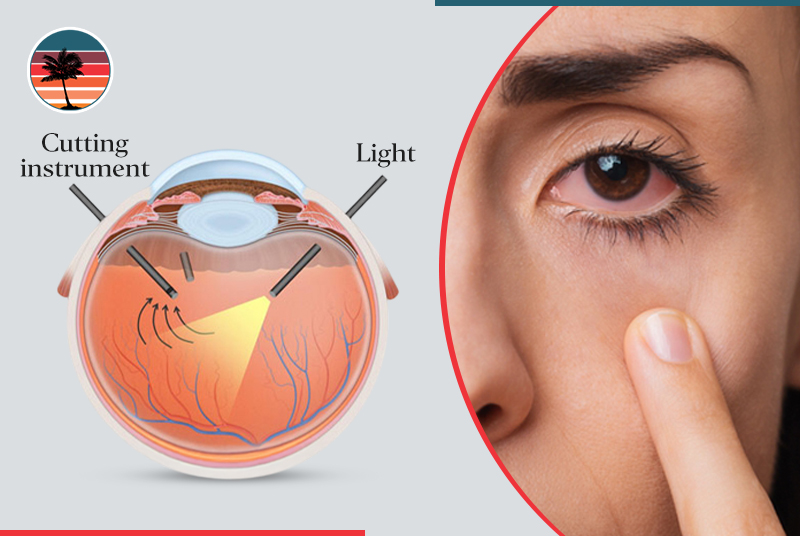
Vitrectomy removes the gel with the floaters. You can know how a vitrectomy done, the surgeons insert a clear salt solution. It is only performed in severe situations because there are more risks, such as cataracts, retinal detachment, and infection.
Most physicians recommend waiting 6 months before treatment. Floaters usually resolve on their own as the brain adapts and the eye heals.
Reducing Your Risk of Post-Lasik Floaters
Choose a board-certified, skilled LASIK surgeon. Undergo a thorough exam before surgery to see if you have any risk factors. Adhere to all pre-surgical guidelines, including making any necessary medication adjustments and refraining from using eye makeup, to facilitate easy healing.
Follow your eye drops instructions after surgery, avoid rubbing your eyes, and attend all follow-up appointments so your doctor can monitor your healing progress. Use protective eye equipment when you work or play sports, and report any unusual symptoms to your doctor immediately.
To maintain long-term eye health, consider quitting smoking, managing your blood pressure and blood sugar levels, and wearing protective sunglasses to block UV rays. These are simple measures to avoid floaters and other problems.
Ophthalmologist Recommendations for Post-LASIK Patients
1. Regular Monitoring
Annual eye checks are still necessary after successful LASIK to detect any changes before they become problems. Report any vision changes to your eye doctor right away, no matter how minor. Keep consistent records of surgery and track symptoms in a diary to provide your eye doctor with accurate information.
2. Communication Tips
Be concise in describing your symptoms to your eye care professionals. Rather than saying “I see spots,” use “small dark spots that shift when I move my eyes around.” Inform them when the floaters are most irritating and if their pattern or frequency changes. Ask questions if you have any concerns.
3. Healthy Habits
Save your LASIK investment by being smart about your life. Don’t forget to wear quality sunglasses when you do venture out to prevent UV damage. Eat a healthy diet full of vitamins A, C, E, and omega-3 fatty acids—exercise to maintain blood flow to your eyes. Manage long-term medical conditions such as diabetes and high blood pressure, and wear protective eyewear when engaging in sports or other dangerous activities.
Moving On: Dealing With Floaters Following LASIK
The majority of floaters are benign and typically improve over time. The majority of patients find that they are much less noticeable during the first year as the brain adjusts. Complications are uncommon, but recognizing the signs enables you to seek help when needed.
Regular follow-ups can help catch problems early on, and therapies are available for the small number of people who experience severe floaters.
The positive news is comforting. LASIK rarely causes noticeable floaters, and most patients find that they diminish or become more tolerable over time. The dramatic visual improvement with LASIK is much better than the mild annoyance of occasional floaters for most patients.
Expert Care When You Need It Most
If you have alarmingly noticeable eye floaters or vision changes following LASIK, don’t wait. Retina Vitreous Associates of Florida has been a leading provider of retina specialist services in the Tampa Bay region for over 54 years.
Why choose RVAF? Their physicians are board-certified and have received additional training in state-of-the-art treatments for floaters, including advanced vitrectomy surgery and laser treatments. Patients love their compassionate and individualized approach to assisting. They offer same-day urgent appointments when severe symptoms arise.
Curious about your floaters following LASIK? Contact Retina Vitreous Associates of Florida today at https://rvaf.com to schedule your appointment. Your eyes are worth the expertise of Florida’s best retina specialists.
Your vision matters a lot. Begin your path to a clear and stress-free vision by contacting RVAF today.