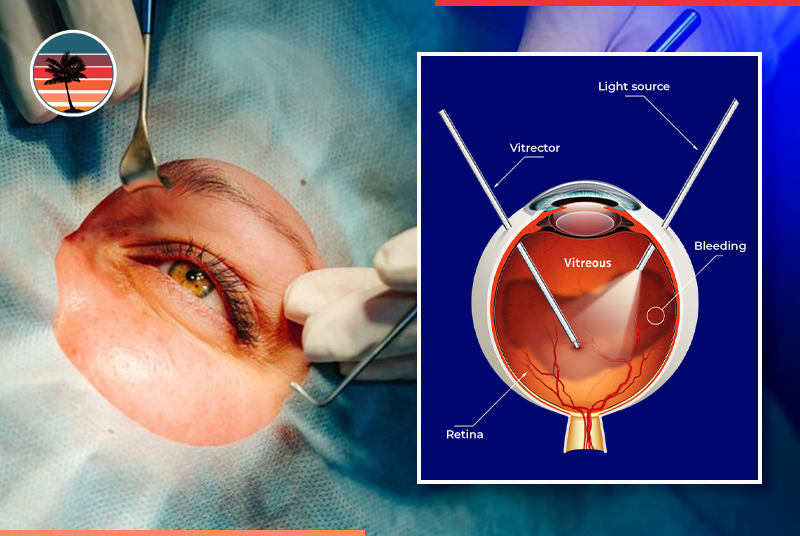
Vitrectomy surgery typically takes anywhere from one to three hours. The length of time will depend on your eye condition and the complexity of your case.
What Is Vitrectomy Surgery?
Vitrectomy is a type of eye surgery that removes the vitreous gel in your eye. It is a jelly-like, transparent substance that occupies the area between your retina and lens. Physicians perform vitrectomy to repair retinal detachments, diabetic eye disease, eye hemorrhage, macular holes, and certain types of eye injuries.
Vitrectomy Surgery Duration Breakdown
-
Standard Procedure Timeline
You will take thirty to sixty minutes to prepare before surgery. You sign consent forms and check in, and your medical team takes your history. However, your eye is numbed with drops and anesthetized.
The procedure itself lasts from one to three hours. Simple cases, where there are small macular holes or minimal hemorrhage in the eye, typically last one to one and a half hours. More difficult problems, such as severe diabetic retinopathy, large retinal detachment, multiple issues with the eye, or emergency cases, may take up to two to three hours or more.
You will be in the recovery room for thirty to sixty minutes after surgery. Nurses monitor your vital signs, watch for signs of early healing, and provide discharge instructions to ensure a smooth transition.
-
Time Spent At the Hospital
The majority of patients are here for four to six hours. We count check-in and arrival, preparation for surgery, the procedure, and recovery time.
Variables That Influence Surgery Time
-
Your Eye Condition
The duration of the procedure is based on the condition being treated. Easy ones, such as small macular holes and small hemorrhages, may be repaired within one to one and a half hours. Complex issues, like large retinal detachments, large diabetic retinopathy, multiple conditions, or a revision case, usually take two to four hours.
-
Technical Factors
There are a couple of technical factors that may extend the procedure. Removal of scar tissue may take another thirty to sixty minutes. Oil or gas injection into the eye typically takes an additional fifteen to thirty minutes. Including a lens replacement will extend the procedure by thirty to forty-five minutes. Surgical complications may vary in number.
If you’re preparing for surgery, it’s equally important to know what not to do after a vitrectomy to ensure a smooth and safe recovery. Following the right post-operative care instructions helps protect your retina and restore vision effectively.
What Happens At Each Stage?
-
Pre-Surgery Preparation
Your personnel will examine your medical history, start an IV line, apply numbing drops, dilate your eye, and clean the area around your eye.
-
Surgery Process Step-By-Step
Next, anesthesia is given in five to ten minutes. The physician makes three tiny cuts in the white of your eye. Vitrectomy, which involves the removal of the vitreous gel, typically takes 30 to 90 minutes. Then, the underlying cause is treated in fifteen to sixty minutes.
The eye is filled with saline, gas, or oil in ten to twenty minutes. Finally, the cuts are closed, and antibiotics are given in five to ten minutes.
-
Recovery Room Duration
You will recover for thirty to sixty minutes following surgery. Nurses will monitor your vital signs, and you will review the post-operative instructions. You will be discharged when you are stable and have a ride home.
Examining Surgery Times by Condition
A macular whole procedure typically lasts one to one and a half hours and is considered a relatively straightforward procedure. Bleeding vitreous usually will require one to two hours. Repairing a retinal detachment typically lasts two to three hours and is a more complicated procedure. Diabetic retinopathy will last up to four hours. Repairs of eye trauma will last one to four hours, depending on the extent of the trauma.
What to Expect On Surgery Day?
Please arrive at least two hours before your scheduled surgery time. You will complete any last-minute forms, meet with your surgical team, and change into a gown. You will receive pre-operative medication, meet with the anesthesiologist, and have one final opportunity to ask questions an hour before surgery.
Your family will be in a waiting area for the one- to three-hour procedure and will be kept informed regularly. You will then spend thirty to sixty minutes in the recovery room post-surgery before going home.
Recovery Timeline Following Vitrectomy
-
Rapid Recovery (Initial 24 Hours)
Keep your head in the position your surgeon instructed you to maintain. Take every eye drop your doctor prescribed. Do not drive or lift anything heavy.
-
Short-Term Recovery (1–2 Weeks)
Vision will get better slowly. Keep using your eye drops as directed. Keep all appointments for follow-up visits and avoid strenuous activity.
-
Complete Recovery (6–8 Weeks)
Complete recovery typically occurs within six to eight weeks. Thereafter, you can return to most normal activities and will be able to find out about your final vision outcomes during your regular eye checks.
Tips for a Seamless Surgery Day
Pre-operatively, fast and take medication as instructed. Arrive safely and wear clothing that allows for easy movement. Remove makeup and jewelry. Arrive on the day of surgery on time with your emergency contact and insurance cards.
If you’re unsure, ask questions and don’t worry about it. Post-operatively, keep your head in the position instructed, take your eye drops as directed, follow up on scheduled appointments, and notify the doctor if you experience any problems.
Selecting the Best Surgeon
Identify an experienced eye surgeon who operates on the retina and has extensive experience in vitrectomy. Read patient reviews, ensure that they have new machinery, and choose one that is clear with explanations and answers all your questions.
When to Call Your Doctor
Inform your doctor immediately if you experience severe eye pain, sudden vision loss, excessive bleeding, signs of infection, or unusual discharge.
Advanced Retinal Surgery. Caring For You. Outstanding Results.
Vitrectomy is a serious surgery for most eye conditions. Most of the procedure takes between one and three hours. With preparatory work before surgery and recuperation afterward, most patients spend four to six hours in the surgery center.
Surgery time varies based on your eye condition and technical needs. Minor cases, such as small macular holes, are around an hour. More serious ones, such as advanced diabetic retinopathy, big detachments, scar removal, or lens exchange, last one to two hours or longer.
Recovery starts right away. Be cautious when moving your head and follow all eye-drop instructions carefully for the first 24 hours. See improvement of vision within one to two weeks and healing in six to eight weeks. Heavy lifting and driving will have to wait until your physician advises you to start again.
Choosing a seasoned retinal surgeon is very important. Retina Vitreous Associates of Florida boasts more than 50 years of focused care and dedication. Their board-certified and specially trained retina doctors utilize advanced technology and help you through every step, starting from the first visit to complete recovery.
Would you like to see better? Visit us online today or call (813) 875-2020 to schedule your vitrectomy consultation with our experienced professionals.
Frequently Asked Questions
1. Is Vitrectomy Performed Under General Anesthesia?
Most vitrectomy surgeries are performed under local anesthesia, which numbs the eye when you are awake. Complicated cases, anxious individuals, children, or procedures done together may be performed under general anesthesia.
2. Can I Leave The Same Day?
Yes. Most patients get discharged on the same day. You must have a driver, stable vital signs, and unobstructed post-operative instructions.
3. Will I Need Multiple Surgeries?
The majority of individuals require one operation. Two operations might be necessary if complications arise, the retina detaches again, silicone oil is removed, or there is no improvement in vision.
4. When Can I Return To Work?
For desk work, miss a week or two. Physical work usually takes four to six weeks, while heavy lifting may take six to eight weeks. Your doctor will guide you, taking into account the nature of your work and your recovery rate.