
Doctors may prescribe triamcinolone acetonide injections to help reduce inflammation and swelling in various parts of the body, including the eyes. You should fully understand the potential benefits and risks associated with triamcinolone acetonide injections, including all possible side effects, before consenting to treatment.
What Is Triamcinolone Acetonide Injection?
Triamcinolone acetonide is a synthetic corticosteroid. Physicians inject the medication into joints, soft tissues, or around the eye to treat inflammation and certain retinal or eye conditions. It can help issues such as arthritis, allergies, and some eye diseases in which swelling impairs vision.
Specialists may include a triamcinolone acetonide injection as part of a treatment plan to control macular swelling and other inflammatory conditions in cases of retinal and eye conditions.
How Is Triamcinolone Acetonide Injection Working In The Body?
This medication mimics the effects of one of your naturally occurring steroid hormones. It inhibits chemicals that cause inflammation, reducing swelling, redness, and pain. Because triamcinolone acetonide injection also affects your immune response, it can decrease your body’s resistance to infection.
That potent anti-inflammatory effect is also why side effects are possible: the medication may affect several organs and other body systems if it spreads from the injection site or if you receive multiple doses.
Triamcinolone Acetonide Injection Common Side Effects
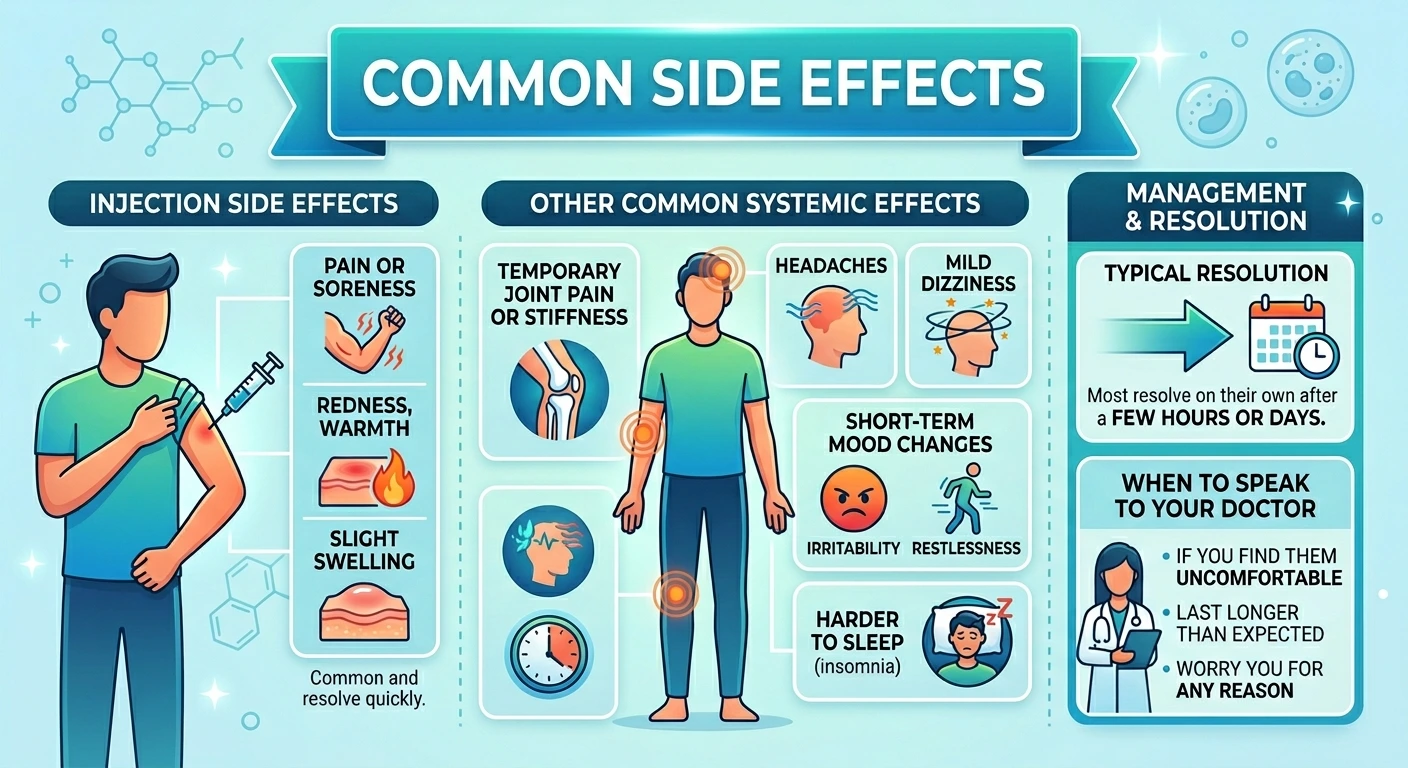
You may experience minor, temporary side effects after an injection. You may have pain or soreness at the injection site, and the skin may be red, warm, or slightly swollen. Some people experience a temporary increase in joint pain or stiffness. In contrast, others experience headaches, mild dizziness, or short-term mood changes, such as irritability or restlessness.
You might find it harder to sleep shortly after the shot. In general, these side effects will resolve on their own after a few hours or days, but if you find them uncomfortable, last longer than you expected, or worry you for any reason, speak to your doctor.
Serious Triamcinolone Acetonide Injection Side Effects
Because some side effects can be severe, though not common, medical attention may be required urgently. A severe allergic reaction may cause rash, itching, swelling of the face or throat, or trouble breathing, and needs urgent care. You should treat changes in vision, sudden eye pain, or seeing flashes or floaters, especially after eye or periocular injections, as an emergency.
Fever, chills, pus, or sharp pain at the injection site may indicate an infection; seek medical attention. Very high blood pressure with a severe headache, chest pain, or sudden weakness, leg swelling, or trouble speaking or walking also necessitates urgent medical help. Call your doctor or emergency services right away if any of these symptoms occur after a triamcinolone acetonide injection.
Long-Term Side Effects Of Repeated Injections
Repeated injections or high doses can also lead to long-term side effects, like whole-body changes, rather than local changes at the site of injection. You might notice weight gain and fluid retention, with a rounder face and increased fat around your neck and trunk. The skin thins and bruises easily, and the bones become weaker, increasing the risk of fractures over time.
Some people develop muscle weakness and changes in blood sugar that can worsen diabetes or trigger new diabetes. Long-term use can also disrupt hormone balance and reduce your body’s own production of steroids.
To minimize these risks, doctors often try to limit both the dose and the number of injections. Ongoing treatment might also involve repeated follow-up visits and blood tests.
Triamcinolone Injection Site Reactions
Triamcinolone injections of the acetonide type are administered in tissue or near the eye; therefore, local side effects may occur at or near the site of injection. Skin could thin out or discolor, resulting in light or dark patches. You may observe small depressions, dimples, or fat loss beneath the treated area. Local infection is possible and may manifest as redness, warmth, and pus.
Pain or stiffness of the treated joint or area may last longer than anticipated. You can minimise local irritation by resting the area as recommended, following aftercare instructions, and promptly bringing any new or worsening changes at the injection site to your doctor’s attention.
Who Is At Increased Risk For Side Effects?
You may have a higher risk of complications from triamcinolone acetonide injections if you have certain conditions. Steroids may impact blood sugar, blood pressure, and fluid balance, so tell your doctor if you have diabetes, high blood pressure, heart disease, or high cholesterol. Eye disorders, such as glaucoma or cataracts, are essential too, especially if the injections are done near the eye.
Osteoporosis, a history of fractures, recurrent infections, or weakened immunity, can also increase the risk. Gastrointestinal ulcers, bleeding in the digestive system, and mental disorders like depression or bipolar disorders should be scrutinized with caution before prescribing the medication. Pregnancy, lactation, pediatric patients, and geriatric patients require extra caution and close monitoring due to the possibility of higher risks associated with the medication.
How To Reduce The Risk Of Side Effects?
While you cannot eliminate all risk, you can minimize it by being well-informed and working collaboratively with your physician. Share your complete medical background, including all medications and supplements, so they can then select the safest plan. Request the lowest effective dose and the fewest injections necessary to control your condition. Keep follow-up appointments and complete any eye or blood tests your doctor orders.
Support your health with a balanced diet that includes adequate calcium and vitamin D, if your doctor approves; remain as active as possible with safe exercises to help protect your bones and muscles. If there are concerns about blood sugar or blood pressure, monitor the readings vigilantly and report any changes. Never alter the dose or schedule yourself; follow the plan your specialist has set.
When To Contact A Doctor Or Seek Emergency Help?
Call your doctor soon if side effects last more than a few days or if pain, swelling, or redness at the injection site grows stronger or spreads. New mood changes, sleeping trouble, or unusual tiredness also deserve a check.
Any change in vision or new eye discomfort after periocular or intravitreal injections requires prompt review. Some symptoms require emergency help rather than a routine visit. You should seek urgent care if you have any trouble breathing or swelling of the lips, tongue, or throat, or if you develop chest pain, a sudden, severe headache, or confusion.
Sudden loss of vision, intense eye pain, or many new floaters or flashes in your vision are emergencies. You need to take immediate care for a high fever, severe chills, or clear signs of a serious infection, and you should not wait to see if these symptoms resolve on their own.
Questions To Ask Your Doctor Before Receiving The Injection
Preparing a simple list of questions before your visit can help. You might ask why you need a triamcinolone acetonide injection instead of another treatment, and what dose and schedule your doctor recommends. You should also ask what the most common side effect of triamcinolone acetonide injection is for someone with your health profile.
Clarify how the injection may affect your current drugs and conditions, and which warning signs should be a cause for calling the clinic or making a visit to the hospital. It’s also helpful to know about nonsteroidal options or other procedures that might work for you. Write down the answers or bring someone with you so you won’t forget important information.
Myths And Facts About Triamcinolone Acetonide Injection Side Effects
Most people become apprehensive upon hearing the word “steroid.” This fuels myths and fear. One common myth is that a single steroid injection always leads to serious side effects. Still, in reality, a single, well-planned injection often carries a low risk- the exact risk depending on your health, the dose, and the injection site.
Another myth holds that medical steroid injections are the same as bodybuilding steroids. True, medical corticosteroids such as triamcinolone acetonide, though different from the anabolic steroids, can also be harmful if misused.
Still, others believe they do not need follow-up care if they feel fine after treatment, whereas problems can develop in silence. Routine checkups and eye exams will continue to count. Understanding the real risks and benefits will help you make a better decision with less fear.
RVAF: Protecting Your Sight With Experienced, Focused Retina Care
Injections of triamcinolone acetonide, when judiciously employed in the appropriate retinal conditions, may strongly reduce inflammation and preserve vision. From mild to severe, each injection needs to be openly discussed with your retina specialist.
If you have concerning symptoms or are uncertain about this treatment, make an appointment today with a retina specialist. A comprehensive eye examination and a personalised treatment plan can protect your vision and reassure you. Visit RVAF and learn more about treatment options or schedule a consultation.
Frequently Asked Questions
1. What are the most common side effects of a Triamcinolone Acetonide injection?
Mild eye irritation, brief blurred vision, higher eye pressure, redness, and discomfort at the injection site are common side effects. They’re usually temporary and improve with monitoring.
2. How long do Triamcinolone Acetonide injection side effects last?
Most mild side effects go away in a few days to weeks. But if your eye pressure is high or cataracts get worse, you’ll need to see a retina specialist for regular check-ups.
3. Can a Triamcinolone Acetonide injection affect vision?
Yes. Some patients might have blurry vision temporarily after the treatment. It can also raise the risk of cataracts or glaucoma. That’s why regular eye exams are super important for them.
4. When should you contact eye doctor after a Triamcinolone injection?
If you get severe eye pain, see your vision worsen, notice more redness, or experience flashes of light after an injection, contact your retina specialist right away. The same goes for any sign of infection.