Your eyes are worth it. One mistake can damage your healing after vitrectomy surgery. This guide instructs you on exactly what not to do during recovery.
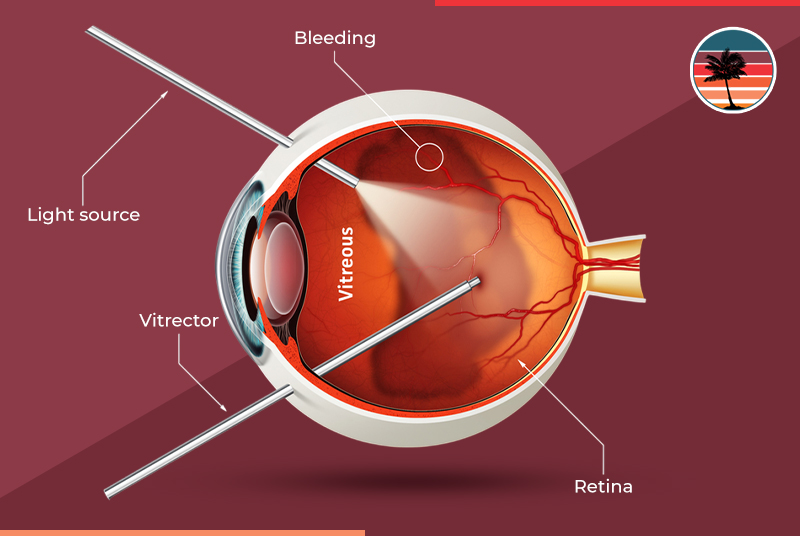
Vitrectomy is a surgical procedure on the eyes that removes gel from the vitreous humor, a gel-like substance that fills the eye. Surgeons perform it to repair problems with the retina. How well you recover depends on obeying instructions.
What Is Vitrectomy Surgery?
Vitrectomy removes the gel within your eye known as the vitreous. The gel may be bothersome when it becomes foggy or pulls on your retina.
Surgeons do vitrectomy surgery to fix retinal detachment. This is when the retina detaches from the back of your eye. Surgeons also use this surgery for diabetic eye disease, in which high blood sugar causes damage to the blood vessels in the retina.
Macular holes are also a common reason for vitrectomy surgery. Small retinal tears in the middle of your eye can seriously weaken your central vision. Eye injuries that damage the vitreous gel are also addressed through this surgery. Some patients require vitrectomy to eliminate bothersome floaters that seriously disrupt their lives.
It may take weeks to months to heal. Your vision might be blurry at first. It is normal. If you’re wondering how long does vitrectomy surgery take, it generally depends on your eye condition and the complexity of the repair, but your retina specialist can guide you with an exact timeline.
Immediate Don’ts (First 24-48 Hours)
- Don’t Remove Your Eye Patch Early
Your eye patch guards your recovering eye. Leave it on until your doctor instructs you to remove it. Removing it too early can lead to infection.
- Wait Before You Drive
Your vision will be blurry after the operation. You may see two of everything. Don’t drive until your physician gives the go-ahead. This will take a few days.
- Don’t Let Water Get in Your Eye
Water contains germs. Get your eye completely dry for the first week. That is, avoid getting water in your face, avoid swimming pools, and be extremely careful when washing your face around the operated eye.
- Don’t Rub Or Touch Your Eye.
Your eye is highly sensitive at this time. Slight rubbing can injure the healing tissue. If your eye itches, ask your doctor for proper ways to relieve the irritation.
- Don’t Miss Your Medications
Use the entire amount of eye drops prescribed exactly as directed. These prevent infection and reduce swelling. Skipping doses can cause severe complications.
Physical Activity Restrictions
- Don’t Lift Heavy Objects.
Lifting heavy objects compresses your eyes. This can damage your healing retina. Do not lift anything over 10 pounds for a minimum of 2 weeks.
You must not lift shopping bags because they are often heavier than they appear. Laundry baskets full of clothes can also be too heavy. Parents must insist on the assistance of others when lifting small children while recovering from an injury. Weights for exercises must not be carried while recovering. Lifting boxes, even the light boxes, is likely to hurt your recovering eye.
- Do Not Strain Or Bend.
Bending causes more blood to flow to your head. This increases pressure on your recovering eye. Avoid picking up objects off the floor, as this requires a lot of bending and stretching. It may be difficult to tie your shoes while recovering, so consider wearing slip-on shoes or asking for assistance.
Bending or stooping for garden work should be delayed. Bending or straining during heavy cleaning work should be avoided. Straining during bowel movements should also be avoided, as it places internal pressure.
- Don’t Work Hard
High-impact activity will damage your eye and delay healing. You bounce around too much when you jog or run for your recovering eye. Aerobics classes involve rapid movements that are not appropriate when recovering.
Contact sports can easily strain your weak eye. Weightlifting increases pressure on the eyes and should be avoided altogether. Inverted yoga poses, such as headstands, can exert significant pressure on your eyes.
Light walking is usually fine after several days.
- Don’t Swim Or Use Hot Tubs.
Water contains bacteria that can cause eye infections. Pool chemicals can also bother your healing eye. Wait at least 4 to 6 weeks before you swim.
Positioning and Sleep Don’ts
- Don’t Sleep On The Bad Side.
If you have a gas bubble in your eye, you’ll have to sleep in a specific position. Most commonly, it’s face-down or on your non-operative side. Be sure to take your doctor’s exact orders.
- Don’t Overlook Face-Down Requirements.
Some patients have to lie on their stomachs for days or weeks. This squeezes the bubble of gas against your retina. If you don’t, then the surgery will not work.
Face-down chairs are comfortable seating that maintains the necessary position. Cut-out face pillows provide additional comfort in long-term positioning. Massage table attachments can be hired to achieve a more comfortable face-down sleeping position.
- Don’t Use Standard Pillows for Sleeping Face-Down
Regular pillows won’t work when sleeping on your stomach. You need special pillows with holes for your face. This keeps your neck pain-free and lets you breathe.
Eye Care and Hygiene Don’ts
- Avoid Using Eye Makeup.
Makeup on your eyes can deposit bacteria into your healing eye. You should avoid using mascara for at least 2 weeks, as bacteria may come into contact with your eye by mistake. Eyeliner is also at risk and should be avoided. Eye shadow debris can drop into your eye and irritate it. False eyelashes contain adhesives and remover products that are too harsh for healing tissues.
When starting over with makeup, start with fresh products to prevent contamination.
- Avoid Using Lotions Or Eye Creams.
Creams and lotions near your eyes can irritate the skin. They may also fall into your eye when you sleep. Hold off on your doctor’s approval to use them.
- Do Not Expose Your Eye to Wind or Dust
Wind and dust can irritate your healing eye. Wear glasses when you are outdoors. Avoid areas with dust, such as construction sites and other similar environments.
- Don’t Wear Contact Lenses.
Contact lenses can damage your healing cornea. Contact lenses trap bacteria on your eye. Wear glasses until your doctor advises you to wear contacts.
Travel and Work Restrictions
- Don’t Fly Too Soon
If you have a bubble of air in your eye, flying is dangerous. The pressure change will cause the bubble to expand and damage your eye. Don’t fly until the bubble has dissipated.
- Don’t Rush Back To Work.
Your eyes need to rest to get better. Working on the computer can tire your eyes. Physical labor might be too demanding. Most people need 1-2 weeks of work leave.
- Don’t Use Screens Excessively
Computer monitors, phones, and television sets can exhaust your healing eyes. Attempt to spend fewer hours on screens in the first week. Have regular screen breaks.
Medication and Treatment Don’ts
- Don’t Miss Follow-Up Appointments
Your physician must monitor your healing process. If you do not attend appointments, you may miss issues early. Some problems progress rapidly and require treatment immediately.
- Don’t Discontinue Eye Drops Prematurely.
Even if your eye is improving, continue taking all medicines prescribed by your doctor. Stopping too early can cause the infection or inflammation to return.
- Do Not Use Over-The-Counter Eye Drops
Most eye drops are not safe to use after surgery. They have preservatives that will irritate healing tissue. Only use drops that your surgeon has recommended.
- Do Not Take Blood Thinners Without Consulting a Doctor.
Blood thinners may make you more likely to bleed in your recovering eye. Inform your doctor about all the medicines and supplements you are taking. Don’t start or discontinue any without authorization.
Warning Signs to Watch Out For
Blurred vision may indicate that your retina is detached and requires immediate medical attention. A blind spot in your eyes is not regular and should never be overlooked. A flash of light can indicate a problem with your retina that requires immediate attention. Multiple new floaters can mean blood or detachment in your eye.
Red, puffy eyelids are a symptom of an impending infection. Pus or discharge from your eye likely indicates an infection and should be treated promptly. Nausea and vomiting might mean perilously elevated eye pressure.
Don’t delay and see if the symptoms improve. Early treatment prevents irreversible damage.
Recovery Schedule: When Operations Resume
-
Week 1
Light walking is generally acceptable and can help improve blood circulation. Reading outside in sunlight is generally okay for a short time. TV watching is typically okay, but not excessively so that it strains your eyes. Any type of activity, except for light walking, should be avoided altogether. Driving is forbidden until your doctor says it’s okay. Work needs to be skipped during this crucial period of healing.
-
Weeks 2-4
You may gradually return to light domestic activity, such as light housework. You may resume office work in general if you take frequent breaks and have good lighting. You may be permitted to drive when your doctor declares your eyesight to be good and steady. You should not lift heavy weights at present. Swimming and aqua classes are still prohibited. Strenuous exercise should be avoided.
-
Months 1-3
You can gradually return to regular activity when your doctor advises that it is safe to do so. Your energy level should be standard in this period. You can typically resume usual work activities. You should exercise extreme caution when participating in contact sports. Lifting hefty weights may still be restricted depending on how you recover.
-
Long-Term
The majority of individuals can return to all their previous activities once they are fully recovered. You may be required to continue wearing protective glasses for some activities. Routine eye exams are even more crucial for monitoring your long-term eye health.
Tips for Getting Better
-
Design a Recovery-Conducive Environment
Keep frequently used items within reach at eye level so you don’t have to bend or strain to retrieve them. Ensure proper lighting when reading or performing close work. Keep emergency numbers handy near your phone, where you can easily access them. Prepare simple foods that require minimal cooking or preparation time.
-
Get Help
Have your friends and family help with food shopping, as you won’t be able to drive initially. Have someone else clean the home while you are recovering. You will require assistance with transportation to appointments because you are unable to drive. Having assistance with food preparation in the first few days of recovery can be very helpful.
-
Emphasis on Nutrition
Eat lots of fruits and vegetables to obtain vitamins and antioxidants that will heal you. Drink sufficient water to aid your body’s healing mechanisms. Follow your doctor’s instructions and take the prescribed vitamins as directed. Avoid excessive amounts of caffeine, which can interfere with your sleep and healing.
Expert Tampa Bay Eye Surgery Care
Need expert retina care in Florida? Retina Vitreous Associates of Florida has provided excellent vitreoretinal surgery for over 54 years. Their board-certified, fellowship-trained experts possess advanced experience in vitrectomy surgery for diabetic retinopathy, macular holes, and the repair of retinal detachments.
Why go to RVAF for your vitrectomy procedure? They have over 54 years of specialized expertise in retina treatment for each patient. Their board-certified vitreoretinal surgeons are current with the latest treatments and surgical methods. They ensure complete post-operative care and follow-up to help you recover properly. Their patient-focused practice ensures that you receive personalized care throughout your treatment process.
Don’t wait to protect your vision. If you are experiencing trouble with your retina or would like a second opinion regarding vitrectomy surgery, contact Retina Vitreous Associates of Florida today. Their trained staff will assist you through each step of your treatment and recovery.
Schedule your appointment today and experience how 54 years of retina care expertise can enhance your eyesight.