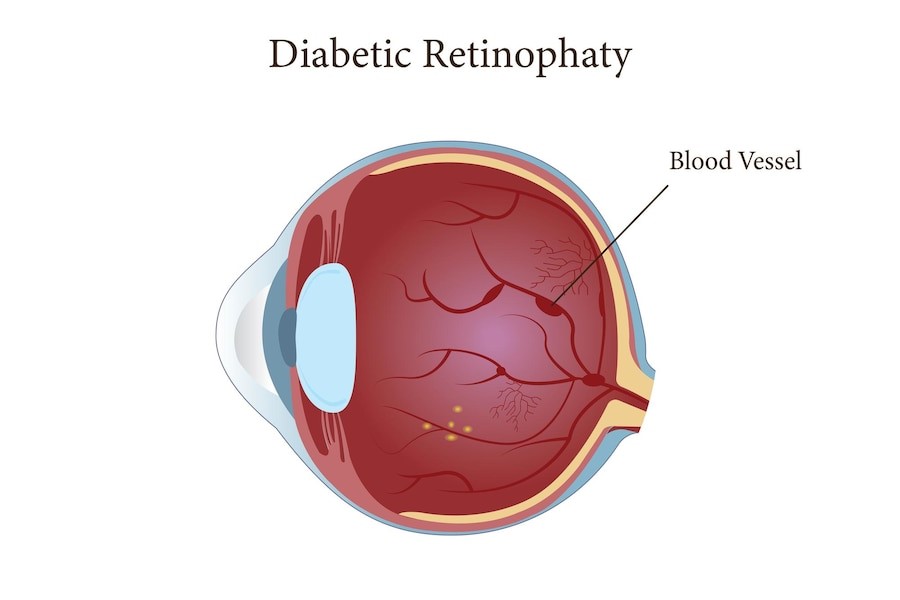
Diabetic retinopathy is a common complication of diabetes that affects the blood vessels in the retina, the light-sensitive tissue at the back of the eye. If left untreated, it can lead to significant vision problems or even blindness. Early detection through regular eye exams is crucial to managing this condition effectively and preserving vision.
What Causes Diabetic Retinopathy?
High blood sugar levels damage the delicate blood vessels in the retina, causing them to swell, leak fluid, or bleed. Over time, new, abnormal blood vessels may grow, further compromising vision. This process can occur without noticeable symptoms in the early stages, making regular eye checkups essential.
Risk Factors for Diabetic Retinopathy
Certain factors increase the likelihood of developing diabetic retinopathy:
- Duration of Diabetes: The longer you’ve had diabetes, the higher your risk.
- Poor Blood Sugar Control: Consistently high blood sugar accelerates retinal damage.
- High Blood Pressure and Cholesterol: These conditions exacerbate retinal damage.
- Pregnancy: Hormonal changes during pregnancy can worsen diabetic retinopathy.
Symptoms of Diabetic Retinopathy
While early stages may be symptom-free, advanced diabetic retinopathy can cause:
- Blurred or fluctuating vision
- Dark spots or floaters
- Impaired color vision
- Loss of vision in one or both eyes
If you experience any of these symptoms, consult an eye care professional immediately.
Diagnosing Diabetic Retinopathy
A comprehensive eye exam is essential for diagnosing diabetic retinopathy. Eye care professionals use advanced imaging techniques such as:
- Optical Coherence Tomography (OCT): Provides detailed cross-sectional images of the retina.
- Fluorescein Angiography: Identifies leaking or abnormal blood vessels.
These tools allow for precise diagnosis and tailored treatment plans.
Treatment Options for Diabetic Retinopathy
The appropriate treatment depends on the severity of the condition:
1. Anti-VEGF Injections: Medications like Avastin, Lucentis, and Eylea reduce swelling, block abnormal blood vessel growth, and stabilize vision.
2. Laser Therapy: Seals leaking blood vessels and prevents further damage.
3. Vitrectomy Surgery: Removes blood and scar tissue from the vitreous to restore vision in advanced cases.
The Importance of Early Detection
Regular eye exams are vital for individuals with diabetes. Early detection of diabetic retinopathy can prevent severe vision loss and lead to better treatment outcomes. Annual comprehensive eye exams are strongly recommended for all diabetes patients.
Lifestyle Changes to Protect Your Vision
Adopting a healthy lifestyle can significantly reduce the risk of diabetic retinopathy or slow its progression:
- Maintain controlled blood sugar, blood pressure, and cholesterol levels.
- Eat a diet rich in fruits, vegetables, and whole grains.
- Exercise regularly to improve circulation.
- Avoid smoking and limit alcohol consumption.
Advances in Diabetic Retinopathy Research
Ongoing research offers hope for even better treatments in the future. Innovations in imaging technologies, sustained-release drug delivery systems, and potential gene therapies aim to improve patient outcomes and reduce treatment burdens.
Conclusion
Diabetic retinopathy is a serious but manageable condition with early detection and proper care. At Retina Vitreous Associates of Florida, our team of board-certified specialists uses advanced diagnostic tools and cutting-edge therapies to protect your vision. Schedule your annual eye exam today and take proactive steps to preserve your eye health.