How Intravitreal Therapy is Revolutionizing the Treatment of Retinal Disorders
Retinal disorders, such as age-related macular degeneration (AMD), diabetic retinopathy, and retinal vein occlusion, are leading causes of vision loss worldwide. Intravitreal therapy, a groundbreaking medical advancement, has transformed the way these conditions are managed. This targeted treatment delivers medication directly to the eye, offering hope and improved outcomes for millions of patients.
What is Intravitreal Therapy?s
Intravitreal therapy involves injecting medication directly into the vitreous, the gel-like substance in the eye. This precise delivery method ensures that the medication reaches the retina, where it can effectively address the underlying condition. The procedure is minimally invasive, performed in an outpatient setting, and has a strong safety profile when administered by experienced professionals.
Conditions Treated with Intravitreal Therapy
Intravitreal injections are highly effective for several retinal conditions:
- Age-Related Macular Degeneration (AMD): Anti-VEGF medications, including Avastin, Eylea, Lucentis, and Vabysmo, help control abnormal blood vessel growth and reduce fluid leakage, stabilizing or even improving vision.
- Diabetic Retinopathy: A major cause of vision loss in individuals with diabetes, this condition can be managed with intravitreal injections that reduce swelling and prevent further damage to the retina.
- Retinal Vein Occlusion: Intravitreal therapy, including steroids and anti-VEGF drugs, helps control inflammation and fluid buildup associated with this condition.
Advantages of Intravitreal Therapy
Intravitreal therapy offers significant advantages over traditional treatments:
- Targeted Delivery: Medications are administered directly to the affected area, minimizing systemic side effects.
- Improved Outcomes: Routine injections slow disease progression and, in many cases, restore vision.
- Innovative Formulations: Advances in medication design continue to enhance safety and efficacy.
Early Diagnosis is Key
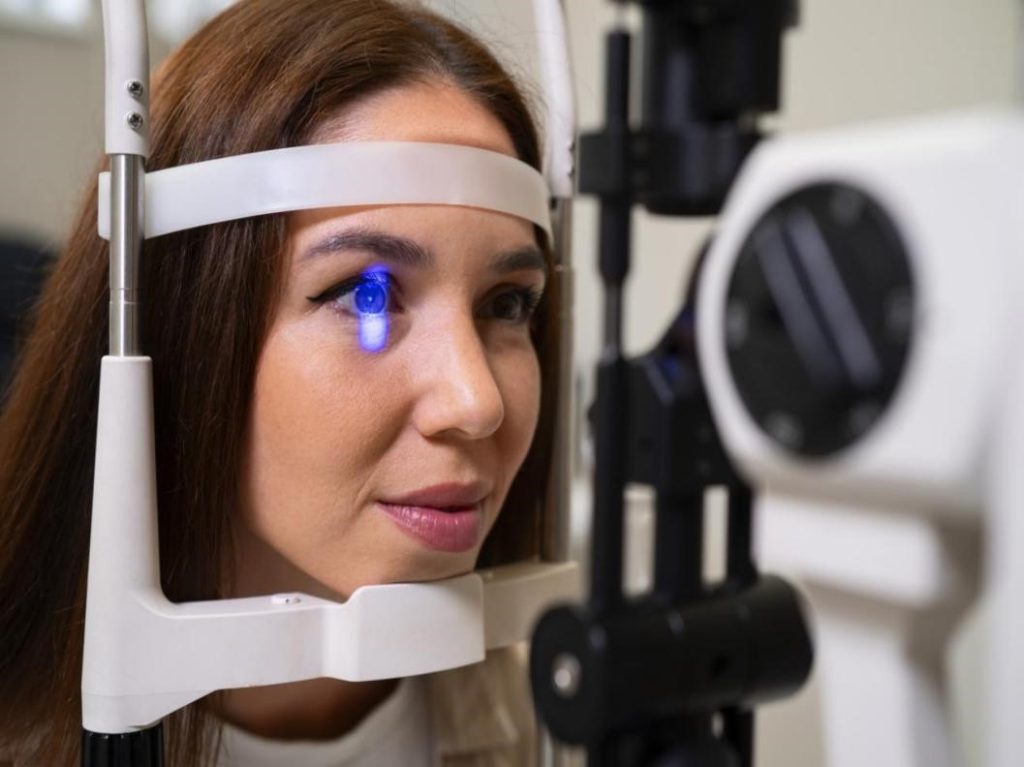
The success of intravitreal therapy often depends on early diagnosis. Retinal disorders can progress silently, with symptoms appearing only after significant damage has occurred. Regular eye exams, particularly for individuals at higher risk, are crucial for timely detection. Advanced imaging techniques like OCT enable precise diagnosis and monitoring, ensuring personalized treatment plans.
Innovations in Intravitreal Therapy
Ongoing advancements in intravitreal therapy are making treatment more effective and convenient:
- Long-Acting Drug Delivery Systems: Sustained-release implants reduce the frequency of injections, improving patient adherence.
- Enhanced Imaging Technologies: Innovations in retinal imaging allow for more accurate monitoring and tailored treatment adjustments.
Addressing Patient Concerns
Understandably, patients may feel apprehensive about the idea of eye injections. However, the procedure is performed under local anesthesia to minimize discomfort. Skilled specialists prioritize patient education and provide reassurance, ensuring a positive experience. Most patients report significant improvements in their quality-of-life following treatment.
Conclusion
Intravitreal therapy has revolutionized the management of retinal disorders, offering hope to those at risk of vision loss. At Retina Vitreous Associates of Florida, we combine cutting-edge treatments with personalized care to deliver the best outcomes for our patients. Early detection, timely intervention, and ongoing support are key to preserving vision and improving quality of life.
If you or a loved one is living with a retinal condition, schedule an eye exam today to explore how intravitreal therapy can help you see a brighter future.