
Age-related macular degeneration (AMD) is a leading cause of vision loss in individuals over 50. This common eye condition affects central vision, making everyday tasks like reading, driving, or recognizing faces challenging. To better manage AMD and maintain quality of life, it’s essential to understand its symptoms, available treatments, and the latest advancements in care.
What is Macular Degeneration?
The macula, a small area at the center of the retina, is responsible for sharp, detailed vision. AMD occurs when the macula becomes damaged with age, leading to blurred or distorted central vision. While AMD affects central vision, peripheral vision typically remains intact.
There are two main types of AMD:
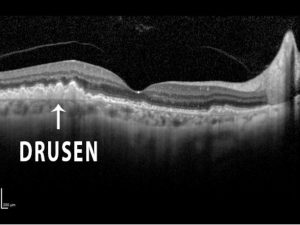
- Dry AMD: The most common type, characterized by thinning of the macula and the formation of drusen (tiny protein deposits). Vision loss progresses gradually in this form.
- Wet AMD: A more severe but less common type, involving abnormal blood vessel growth beneath the retina. These vessels may leak fluid or blood, causing rapid vision loss.
Recognizing the Symptoms of AMD
Early-stage AMD often presents no symptoms, which is why regular eye exams are crucial. As the condition advances, symptoms may include:
- Blurred Vision: Difficulty focusing on fine details, such as small print.
- Dark or Empty Spots: Shadows or blind areas in the central field of vision.
- Distorted Vision: Straight lines appear wavy or bent.
If you experience any of these signs, schedule an eye exam immediately for an accurate diagnosis and tailored treatment plan.
Treatment Options for Macular Degeneration
Although there is no cure for AMD, several treatments can slow its progression and preserve vision:
- Anti-VEGF Therapy: Medications like Avastin, Eylea, Lucentis, and Vabysmo are injected directly into the eye to block abnormal blood vessel growth in wet AMD. These treatments have been highly effective in stabilizing or even improving vision.
- Photodynamic Therapy (PDT): This involves injecting a light-sensitive drug into the bloodstream, which accumulates in abnormal eye vessels. A special laser activates the drug, destroying these vessels and preventing further damage.
- AREDS Supplements: The Age-Related Eye Disease Study (AREDS) found that high-dose vitamins and minerals can reduce the risk of progression in certain cases of advanced dry AMD. Consult your eye care provider before starting supplements.
- Low Vision Rehabilitation: For those with significant vision loss, low vision specialists offer tools and techniques to optimize remaining vision and enhance quality of life.
Advances in AMD Care
Recent breakthroughs in AMD treatment bring hope to patients:
- Geographic Atrophy Treatments: Geographic atrophy, an advanced form of dry AMD, leads to the loss of retinal cells. New FDA-approved treatments like Syfovre and Izervay help slow this progression. While these injections cannot reverse damage, they offer a critical option for preserving vision longer.
- Stem Cell Therapy: Ongoing research explores using stem cells to replace damaged retinal cells, potentially restoring some vision in the future.
- Gene Therapy: Scientists are developing therapies targeting genetic mutations linked to AMD, aiming to prevent or slow disease progression.
Preventing AMD Progression
While risk factors like age and genetics cannot be controlled, certain lifestyle changes can reduce the risk of AMD or slow its progression:
- Quit Smoking: Smoking significantly increases the risk of AMD.
- Healthy Diet: Focus on antioxidant-rich foods, leafy greens, and omega-3 fatty acids from fish.
- Exercise Regularly: Physical activity supports overall eye health.
- Protect Your Eyes: Wear UV-blocking sunglasses to shield your eyes from harmful rays.
Conclusion
Macular degeneration is a complex but manageable condition. Regular eye exams, early detection, and proactive treatment are essential to maintaining vision and quality of life. At Retina Vitreous Associates of Florida (RVAF), our team of specialists stays at the forefront of medical advancements, offering expert care and personalized treatment plans. If you or a loved one is affected by AMD, schedule a consultation to explore your options and take control of your eye health.