Over 196 million individuals worldwide have macular degeneration, which destroys central vision slowly or suddenly. It is the primary cause of severe vision loss in adults over 50.
The illness affects everyday activities such as reading, driving, and recognizing people. The majority of patients become stressed when they learn the diagnosis. They are concerned about the loss of autonomy and lifestyle.
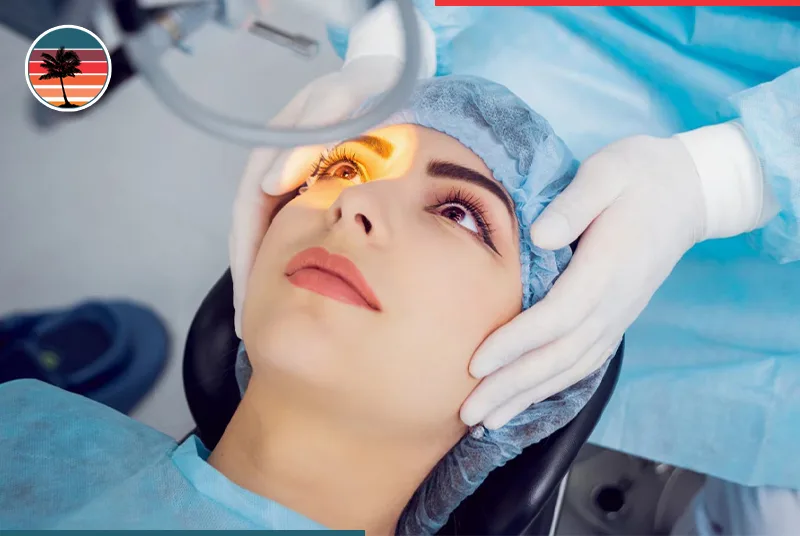
Laser surgery has dramatically changed the treatment of macular degeneration. This innovative procedure can halt vision loss dramatically, and in some instances, it can even enhance current vision issues.
You must know your treatment options. Education enables you to make intelligent choices regarding your eye care. This guide contains all the information you need about laser surgery for macular degeneration.
We will discuss various surgery methods, success rates, and what to expect in recovery. We will also discuss fees, insurance, and other treatment alternatives. Most importantly, you will know how this surgery could preserve your vision.
What Is Macular Degeneration?
Macular degeneration harms the macula, which is in the middle of the retina. It governs clear, straight-ahead vision used when driving and reading.
There are two types of macular degeneration:
- Dry macular degeneration develops gradually. It accounts for 80-90% of all instances. Yellow spots known as drusen form under the retina.
- Wet macular degeneration progresses very quickly. Abnormally formed blood vessels penetrate the macula. The new vessels leak blood and fluid.
Learning About Macular Degeneration Laser Surgery
Laser eye surgery is beneficial in certain instances of macular degeneration. It is not for all. Your eye doctor will determine if you qualify.
Types of Laser Surgery
- Photocoagulation uses a high-intensity laser beam to close leaking blood vessels in wet macular degeneration. The laser produces minor burns to prevent blood vessel growth.
- Photodynamic therapy (PDT) is a light-medication treatment. A drug called verteporfin is injected into the patient, and a low-level laser activates the drug to destroy the abnormal vessels.
Who Requires Laser Surgery?
Laser surgery is primarily beneficial for wet macular degeneration. Dry macular degeneration less frequently requires laser treatment.
You may be a candidate if you have:
- Active leaking wet macular degeneration
- Vessels under the macula
- Progressive loss of central vision
- Overall, good eye health
Your physician will not only carry out comprehensive checks. Testing performed includes:
How Laser Surgery Works?
-
Photocoagulation Process
It takes 10-20 minutes to treat. You’ll have numbing drops put in your eyes, and your doctor will place a special lens to guide the laser.
The laser makes precise burns. These burns close off bleeding blood vessels. The treatment prevents more fluid from leaking out.
-
Photodynamic Therapy Process
PDT is a two-step treatment. The first is when a physician injects verteporfin intravenously. The drug travels to the abnormal vessels.
Next, a cool laser activates the medication. This destroys the abnormal vessels without damaging healthy tissue.
Advantages of Laser Surgery
Laser surgery can decrease vision loss, preserve current central vision, and improve vision in some patients.
Principal advantages are:
- Stops wet macular degeneration from progressing.
- Continues the current vision
- Minimally invasive procedure
- Short healing time
- Can be repeated if necessary
Risks and Side Effects
As with any surgical procedure, laser surgery carries risks. They are largely uncommon and can be managed.
Shared side effects are:
- Temporary vision changes
- Light sensitivity
- Eye discomfort
- Seeing spots or flashes
High risks are:
- Losing vision forever
- Retinal damage
- Infection
- Higher eye pressure
Recovery and Aftercare
Recovery is prompt. The majority of patients get back to normal within days.
-
Immediate Recovery
Fuzzy vision for several hours. Light sensitivity for 24-48 hours. You might be prescribed eye drops to avoid infection.
-
Long-term Care
Regular follow-up visits are needed. Your doctor will monitor your progress, and you may need other treatments.
Shield your eyes from direct sunlight, wear sunglasses when outside, and tell your doctor about any vision changes immediately.
Alternative Therapies
Laser surgery is not the sole alternative. The other treatments for wet macular degeneration are:
- The gold standard now is anti-VEGF injections. Anti-VEGF medications inhibit proteins that induce vessel development. Bevacizumab, ranibizumab, and aflibercept are a few of them.
- Combination therapy uses multiple treatments at once. This is likely more potent than monotherapy.
Success Rates and Outcomes
Success rates may differ based on several factors. Better outcomes usually result from early treatment.
Research indicates that laser surgery can:
- Progressive vision loss occurs in 60-70% of patients.
- Keep reading vision in many cases.
- Minimize the risk of severe visual loss.
However, vision improvement is less common. Most patients maintain their current vision level.
Cost and Insurance Coverage
Laser surgery price depends on the location and practitioner. Most medically necessary procedures are covered by insurance.
Medicare usually pays for accepted laser treatments, and private insurance usually copies the Medicare policy. Be sure to ask your provider what is covered.
Selecting the Right Treatment
Consult with your eye doctor. They will evaluate your case. Treatment recommendations are based on the following:
- The kind and severity of macular degeneration
- Where blood vessels develop
- Your overall health
- Previous treatments
Prevention and Lifestyle Changes
Although laser surgery corrects damage, prevention is the best policy. Lifestyle modifications may slow the progression of the disease.
The principal steps are:
- Quit smoking immediately
- Consume a leafy green vegetable-rich diet.
- Take AREDS2 vitamins if prescribed
- Be at a healthy weight
- Exercise regularly
- Shield eyes from ultraviolet radiation
When Do You See A Doctor?
Seek immediate medical attention for:
- Sudden vision loss
- Wavy or twisted lines
- Black or empty spaces in the vision
- Difficulty reading or recognizing faces
Early diagnosis and the latest treatments and care options for macular degeneration are essential. Routine eye exams catch issues early
The Future of Treatment
Research goes on. New medications are in the works. Gene and stem cell therapy look promising.
Current clinical trials are examining:
- Improved laser techniques
- New drugs
- Combination treatments
- Preventive treatments
Living with Macular Degeneration
A diagnosis is not blindness. Many individuals can remain independent with appropriate treatment, and low-vision devices can maximize available vision.
Support groups are helpful. They introduce you to people with the same issues. Your eye care professionals can refer you to people in the locality.
Laser surgery to treat macular degeneration is a serious option. Talk over all your choices with your retinal specialist and ask questions about risks, benefits, and alternatives.
Get a second opinion on challenging cases. Be patient and learn about your condition as a whole. Decide based on your case and objectives.
Keep in mind that treatment technology keeps improving. The most important thing is to save your eyesight and quality of life.
Take the next step in safeguarding your vision.
If you or a loved one suffers from macular degeneration, you don’t have to do it by yourself. The experienced retina specialists at Retina Vitreous Associates of Florida have been providing the Tampa Bay region with the highest and most compassionate care for over 50 years.
Our experts are committed to safeguarding your vision and enriching your life with the latest treatments, innovative surgeries, and advanced clinical trials.
Don’t wait—schedule a complete consultation at Retina Vitreous Associates of Florida today and take control of your eye care with trustworthy professionals. Your eyes are worth it—let us help you protect them.