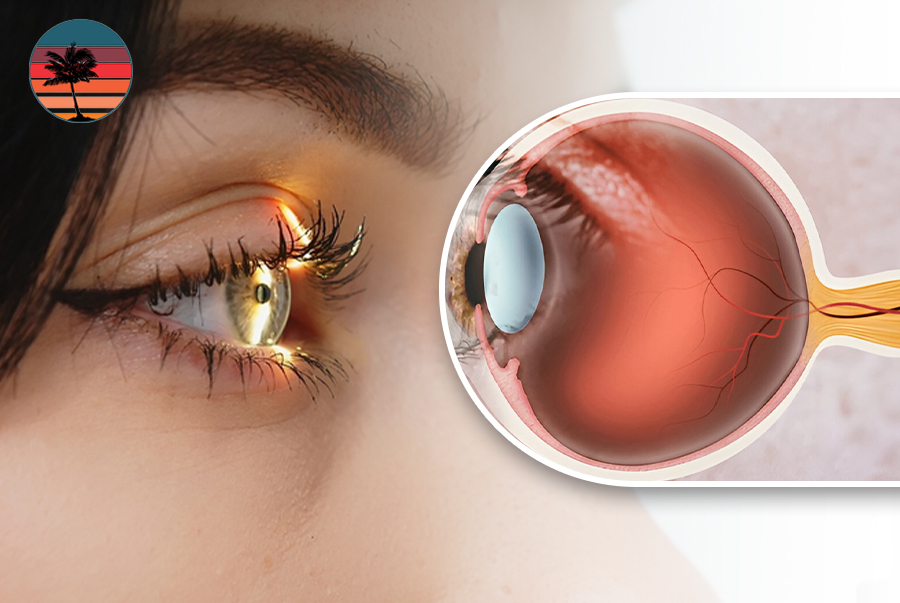
Many people experience burning eyes at some point in their lives. It often develops from dry eye disease or irritation due to environmental factors like dust or wind. But people fear the worst when these burnings are accompanied by changes in vision, such as retinal detachment.
This blog will detail the connection between burning eye symptoms and retinal detachment. You will be better equipped to differentiate between common eye irritation and more serious vision-threatening conditions. Also, you will find answers to how to prevent retinal detachment.
What Is Burning Eye Disease?
You experience burning eye disease or dry eye syndrome when your eyes don’t produce enough or poor-quality tears. Furthermore, external factors like excessive screen time or pollution can cause it. The condition leads to:
- Stinging or burning sensations in the eyes
- Redness and irritation
- Excessive tearing or a gritty feeling
- Light sensitivity and blurred vision
Although these symptoms can be troublesome, they affect the eye’s surface while leaving the retina, where detachment occurs. If vision changes accompany burning eyes, we recommend checking it with a skilled ophthalmologist.
Understanding Retinal Detachment
Retinal detachment is an ocular emergency when the retina separates from its normal position. The retina relies on a healthy blood supply to work correctly, and when it detaches, it can lead to permanent vision loss.
Retinal isolation may occur due to several causes, including aging, trauma, or underlying conditions such as diabetic retinopathy. The most common symptoms of retinal detachment include:
- Floaters (tiny spots or threads in your vision)
- Flashes of light
- A shadow or curtain across your vision
- Blurred vision or sudden loss of vision
Burning eyes don’t immediately indicate retinal detachment. The primary concern in such a scenario is identifying other symptoms, like the sudden onset of floaters or flashes of light.
In some cases, retinal detachment may also occur after other eye procedures, such as cataract surgery. You can learn more about the risk of retinal detachment after cataract surgery to understand how prior treatments might influence your eye health.
Types Of Retinal Detachment
We have detailed three primary types of retinal detachment:
-
Rhegmatogenous Retinal Detachment
This is the most common type, occurring when a retinal tear allows fluid to seep underneath the retina, pulling it away from its original position.
-
Tractional Retinal Detachment
This occurs when scar tissue, often caused by diabetes, pulls on the retina, leading to detachment.
-
Exudative Retinal Detachment
It is caused by fluid accumulation underneath the retina due to conditions such as tumors or inflammation.
Each type necessitates immediate attention from a skilled retinal expert to prevent permanent vision loss. While burning eyes don’t directly cause retinal detachment, the burning sensation can make it harder to distinguish between these conditions if both co-occur.
What Are The Causes Of Retinal Detachment?
We have detailed several factors that boost the risk of developing retinal detachment, including:
- Aging: As you age, the vitreous gel in your eyes shrinks and can pull on the retina.
- High Myopia (Nearsightedness): This condition stretches the retina, making it more prone to tears.
- Eye Trauma: Physical injury to the eye can cause the retina to detach.
- Previous Eye Surgery: Surgeries like cataract removal can increase the risk.
- Family History: A family history of retinal problems increases your risk.
- Diabetes: Diabetic retinopathy can lead to tractional retinal detachment.
Identifying these risk factors can help you oversee your eye health and address potential issues early. While dry eye disease is a common condition, it is not one of the causes of retinal detachment.
Symptoms And Warning Signs Of Retinal Detachment
Early detection of retinal detachment is essential for preserving vision. The most common symptoms of retinal detachment include:
- Sudden increase in floaters: Dark spots or lines in your vision that seem to float.
- Flashes of light: Often noticed in the periphery of your vision.
- A shadow or curtain: This may appear across part of your vision, typically in your peripheral field.
- Blurred vision: A sudden decrease in the clarity of your vision.
It is vital to identify these warning signs from symptoms of dry eyes, as both can cause severe discomfort and visual disturbances. However, burning eyes alone is rarely a sign of retinal detachment.
If you experience any of the above symptoms, we recommend scheduling an eye doctor’s consultation immediately. Early intervention can prevent further damage.
Can Burning Eye Symptoms Cause Retinal Detachment?
Although burning eyes are uncomfortable, they are typically not caused by retinal detachment. Burning eyes are usually the result of external irritants or dry eye disease, which affects the eye’s surface. In contrast, retinal detachment involves a deeper issue with the retina at the back of the eye.
However, both conditions can co-occur. For example, someone with dry eye disease might also experience retinal detachment. Alternatively, if they have risk factors, including high myopia or a family history of retinal conditions, they may suffer from it.
In these cases, the burning eyes are separate from the retinal detachment. We recommend prioritizing the vision changes associated with retinal detachment (like floaters or flashes).
Do not ignore the symptoms if you experience burning eyes and visual disturbances. You must consider medical intervention to rule out any severe eye conditions.
What Can I Expect After Retinal Detachment Surgery?
Treatment for retinal detachment usually involves surgery. The exact procedure depends on the type of detachment:
- Laser treatment: This is used to seal retinal tears.
- Pneumatic retinopexy: A gas bubble is injected into the eye to push the retina back into place.
- Vitrectomy: The vitreous gel is removed, and the retina is reattached.
Post-surgery, you must follow specific instructions from your surgeon, like avoiding strenuous activities or maintaining a particular head position. Complete recovery may take weeks to months, and follow-up visits with your retinal specialist are necessary to track progress.
How to Prevent Retinal Detachment?
While you can’t completely prevent retinal detachment, there are steps you can take to reduce your risk:
- Regular eye exams: Especially if you’re over 50 or have myopia or diabetes.
- Manage existing health conditions: Control high blood pressure and diabetes to reduce risk factors.
- Eye protection: Wear goggles during sports or activities that could cause eye trauma.
- Early detection: Be vigilant about the symptoms of retinal detachment, such as floaters and flashes.
For those with dry eye disease, lubricating eye drops and limiting exposure to irritants can help manage symptoms and prevent additional discomfort.
Conclusion
Burning eye symptoms are typically not a sign of retinal detachment. But it’s necessary to realize every symptom and warning sign. Although dry eye disease can cause significant discomfort, it doesn’t directly lead to retinal detachment.
But, if you notice changes in vision – like floaters, flashes, or a curtain in your field of vision – it’s vital to get medical intervention.
By understanding both conditions and the risk factors, you can take proactive steps to protect your vision. If you’re concerned about your eye health, don’t hesitate to schedule an eye exam with a retinal specialist to ensure your eyes stay in optimal condition.