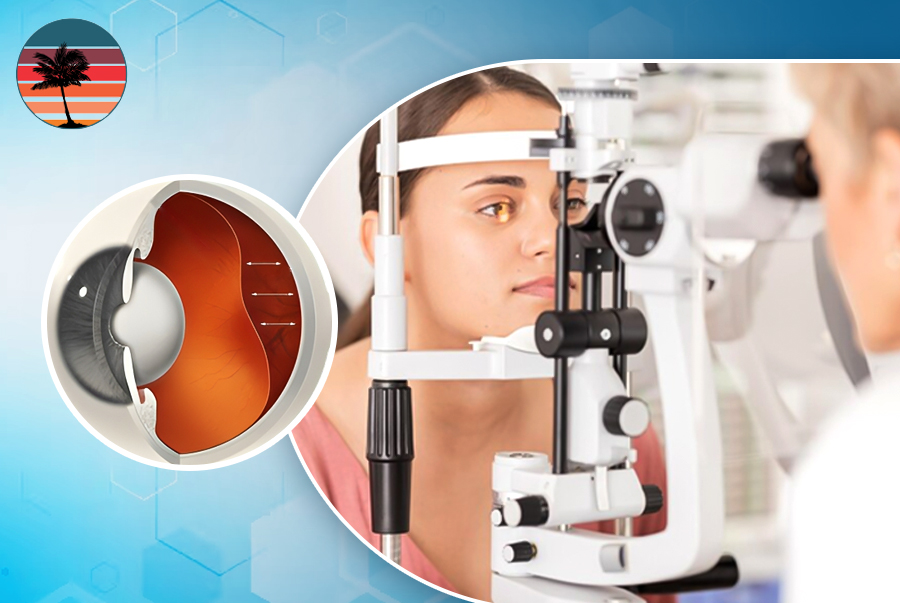
Retinal detachment is a major eye condition. It can cause vision loss in the long term if not treated effectively. The retina plays a crucial role in sending visual signals to the brain. The entire visual process inside your eyes could be disturbed if the retina separates from the tissue beneath it.
Retinal detachment has common symptoms – flashes of light, decreased side vision, and increasing floaters. What leads to this condition, how you can lower the risks, how to protect your eyesight, and how to prevent retinal detachment naturally – these are essential queries many patients.
This detailed guide will walk you through everything you need to know about retinal detachment, including effective prevention strategies. By the time you finish reading, you will be well-equipped to safeguard your eyes and know when to seek medical help.
What Is Retinal Detachment?
Retinal isolation is an ocular emergency. In this condition, the retina separates from its supportive tissue.
The retina features light-sensitive cells that transform light into nerve signals. Your brain processes these cells to build the images you see. When it is isolated, the retina cannot send these signals effectively, causing blindness.
There are different types of retinal detachment. But they all share the characteristic of separation between the retina and the underlying layers of the eye. It may occur either abruptly or gradually, depending on the cause.
Often, retinal detachment occurs due to age-related changes in the eye’s vitreous gel. But it can also happen due to pre-existing eye conditions, trauma, or other factors. The condition typically affects one eye, although in some cases, both eyes may be involved.
Types of Retinal Detachment
There are three main types of retinal detachment: rhegmatogenous, tractional, and exudative. We have detailed each type with their respective causes for development and treatment methods:
-
Rhegmatogenous Retinal Detachment
This is the most common type of retinal detachment. It occurs when there is a tear or hole in the retina. It allows fluid from the vitreous to seep underneath the retina. This results in the retina detaching from the underlying layer.
Such retinal tears can sometimes develop after cataract removal. Many patients are unaware that there is a potential risk of retinal detachment after cataract surgery, particularly among those with high myopia or other pre-existing retinal weaknesses.
This type is most often associated with aging and is more common in individuals over 50 years of age. The vitreous contracts over time, and when it pulls away from the retina, it can create tears or holes.
-
Tractional Retinal Detachment
This type occurs when scar tissue, often due to diabetic retinopathy, contracts and pulls on the retina. The shrinking of this scar tissue causes the retina to pull away from its underlying layer.
This type of retinal detachment is most commonly recorded in individuals with uncontrolled diabetes. We recommend medical intervention if you struggle with such symptoms while having diabetic retinopathy.
-
Exudative Retinal Detachment
Exudative detachment happens when fluid builds up beneath the retina without any tears or holes. This fluid accumulation can happen due to inflammatory diseases, tumours, or vascular disorders. Although rare, exudative detachment can lead to retinal detachment if the condition goes unnoticed.
How Does Retinal Detachment Occur?
Retinal detachment takes place for a combination of factors. The most common cause is associated with the natural aging process, and it causes changes in the vitreous gel.
As people age, the vitreous shrinks and may pull away from the retina, creating tears or holes. Through these holes, the vitreous fluid seeps beneath the retina through these retinal tears and causes detachment.
However, there are other probable factors, including:
- Eye Injuries: Trauma to the eye can cause direct damage to the retina, leading to retinal tears or detachment.
- High Myopia (Near-sightedness): Near-sightedness individuals tend to experience retinal detachment more than usual. Since their eyeballs are elongated, they put extra stress on the retina.
- Diabetic Retinopathy: Diabetes-related retinal damage like scar tissue pulls on the retina and further leads to detachment.
- Eye Surgery: Eye surgeries, like cataract surgery, increase the possibility of retinal detachment.
In some cases, genetic factors and family history can also boost the risk of retinal detachment. If a close family member has had the condition, you may be at greater risk as well.
Symptoms of Retinal Detachment
Early identification of the symptoms of retinal detachment is crucial for timely detachment prevention. If you experience any of the following symptoms, you should see an eye doctor immediately:
- Flashes of Light: Sudden flashes of light or “lightning streaks” in your peripheral vision are one of the first signs of retinal detachment. These flashes are often due to the vitreous gel pulling on the retina.
- Floaters: Seeing spots, threads, or cobweb-like shapes in your vision can indicate retinal tears. If floaters appear suddenly or increase in number, it may be a sign of retinal detachment.
- Shadow or Curtain: A shadow or curtain-like effect that obstructs part of your vision is a clear indication of retinal detachment. This is often accompanied by blurred or distorted vision.
- Sudden Vision Loss: If you notice a sudden loss of vision in one eye, this could be a sign of a detached retina.
If you experience any of these symptoms, you must seek immediate medical attention to prevent permanent vision loss.
Risk Factors of Retinal Detachment
Remember this – retinal detachment can happen to anyone. However, specific factors increase the possibility of developing this condition. Therefore, learning about these risk factors can help you take preventive measures and make informed decisions about your vision:
- Age: People over the age of 50 are more likely to experience retinal detachment due to natural changes in the vitreous gel.
- Myopia (Near-sightedness): Individuals with myopia are at a greater risk of facing retinal detachment. This is because their elongated eyeballs put more strain on the retina.
- Family History: A family history of retinal detachment increases the risk. If a close relative has had retinal detachment, you may be more likely to develop it.
- Previous Eye Injuries: Any type of trauma or injury to the eye, like a sudden blow to the back of the head or to the face, increases the risk of retinal detachment.
- Diabetic Retinopathy: People with diabetes are at risk due to the formation of scar tissue on the retina, which can pull and detach the retina.
- Eye Surgery: Individuals who have had cataract surgery or other eye surgeries may be at higher risk for retinal detachment.
Key Steps to Prevent Retinal Detachment
There is no verified or confirmed way to remove the risk of retinal detachment. But we highly suggest some proven steps to lower your chances of developing the condition:
-
Regular Eye Exams:
Having regular eye exams is one of the best ways to catch retinal issues early. A proficient eye doctor can quickly detect warning signs of retinal tears and other vision problems, allowing you to receive the best possible medical care. If you are at a higher risk than average, you may need more frequent eye examinations.
-
Protective Eyewear:
Wearing protective eyewear helps prevent common eye injuries. Wearing UV-protective sunglasses also blocks harmful rays, lowering the risk of some retinal ailments.
-
Managing Health Conditions:
Seek suitable health management plans to prevent complications that affect the retina if you have chronic health conditions like diabetes. Controlling your blood sugar levels, for instance, diminishes the risk of diabetic retinopathy.
-
Maintain a Healthy Lifestyle:
A balanced diet rich with essential vitamins and antioxidants, regular exercise, and quitting smoking – all help to improve eye health. If you seek eyesight wellness, Vitamin C, E, and omega-3 fatty acids protect the retina from internal injuries.
-
Avoid Eye Trauma:
Protecting your eyesight from trauma is essential. If you are at higher risk for retinal detachment, proper measures are mandatory. Utilise eye protection in situations where there is a risk of injury.
How to Treat Retinal Detachment?
If you are already suffering from retinal detachment or similar signs, we suggest prompt medical attention. Treatment options vary depending on the nature and severity of the retinal separation issue.
-
Laser Surgery (Laser Photocoagulation):
Laser surgery medically attaches the retina to the underlying tissue for minor retinal ruptures. It is the first and most feasible treatment option. This type of laser surgery for retinal tear to prevent detachment can be extremely effective when the condition is diagnosed early
-
Scleral Buckling:
The scleral buckle is silicone and wraps the retina for realignment. It is a common measure used in conjunction with other treatments.
-
Cryopexy:
Cryopexy is freezing the retina around the tear. It creates a scar and seals the retina to the tissue.
-
Vitrectomy:
Vitrectomy is structured for severe retinal detachment cases. It removes the vitreous gel from the eye and incorporates a gas or silicone oil bubble.
-
Pneumatic Retinopexy:
The process injects a gas bubble into the eye socket to direct the retina into place. The bubble naturally floats to the tear spot and helps the retina reattach.
Expectations after Retinal Detachment Surgery
Retinal detachment surgery recovery and healing varies on multiple factors. It depends on the surgery type, severity and other challenges. The possibility is, you may experience the following based on proven cases:
-
Healing:
Recovery sometimes takes several weeks. Patients may experience complete recovery and sometimes lingering issues.
-
Head Positioning:
Some treatments require patients to keep their head in a designated position for a period to help the retina heal.
-
Appointments:
Continuous check-ups with your specialist help monitor the healing process and ensure zero complications ahead.
Conclusion
Retinal detachment is a significant medical concern. Comprehending the reasons, symptoms, and preventative steps help protect your vision. Practical eye exams and appropriate eyewear are essential for preventing retinal detachment.
In addition, you properly manage health issues and avoid eye injuries.
When you identify retinal detachment symptoms, seek professional help. The goal is to prevent permanent eyesight loss and lower the chance of retinal detachment. Proactive measures and proper care work for healthy eyesight. It will also help you maintain your long-term vision.