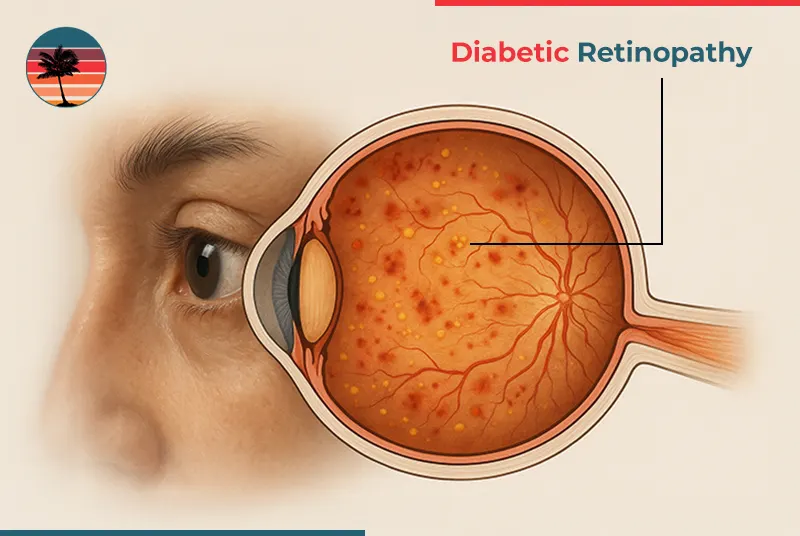
Diabetic retinopathy is a serious eye disorder brought about by damage to the blood vessels of the retina, which is the area of the eye responsible for perceiving light. It is a very prevalent complication of diabetes and can lead to blindness if left untreated. The retina is responsible for clear vision, and when the blood vessels are damaged, the manner of seeing is greatly changed.
Most diabetics are concerned about whether can diabetic retinopathy be reversed or is diabetic retinopathy reversible? Although one cannot reverse the damage, there is hope. Early detection and appropriate treatment for diabetic retinopathy can enable one to control the condition, slow its progress, and even preserve vision. Learn how diabetic retinopathy influences the eyes and what one can do.
How Does Diabetic Retinopathy Impact Your Eyes?
Diabetic retinopathy occurs when high blood glucose damages the tiny blood vessels in the retina. It can cause the vessels to leak fluid, swell, or develop abnormal blood vessels, which can impact vision.
There are four stages of diabetic eye disease:
- Mild Non-Proliferative Retinopathy: This is the initial stage. The retinal blood vessels weaken, yet one still has normal vision.
- Moderate Non-Proliferative Retinopathy: The blood vessels become increasingly damaged, and some may start leaking blood or fluid.
- Severe Non-Proliferative Retinopathy: An increase in occluded vessels, causing a reduction in blood supply to the retina, which results in the formation of new, weak blood vessels.
- Proliferative Diabetic Retinopathy is the most severe form. New blood vessels form on the retina and the vitreous, the eye’s gel-like material. These new vessels are fragile and prone to bleeding, leading to severe vision loss.
In severe cases, diabetic retinopathy may lead to permanent blindness unless treated properly. Having the issue and treating it early is extremely important to preserve vision.
Can Reversal Of Diabetic Retinopathy Occur?
Diabetic retinopathy cannot be restored to its original state. Once the blood vessels of the retina are damaged, they will not heal on their own. However, proper treatments can prevent further disease development, reduce the risk of vision loss, and improve life.
The most important thing about diabetic retinopathy is to catch it early. While complete diabetic retinopathy reversal is not currently possible, the earlier you catch it, the better your chances of halting it or preventing further damage. If you have diabetes, you must take good care of your eyes and collaborate with your physicians to control blood sugar and get the right treatments.
Diabetic Retinopathy Treatment Options
While diabetic retinopathy cannot be treated, medications exist to contain the disease and prevent further complications.
Some of the most frequent diabetic retinopathy treatments are listed below:
1. Lifestyle Modifications and Glycemic Control
One of the most effective ways to treat diabetic retinopathy is to control blood sugar levels. This can prevent further damage to the retina and slow the progression of the disease.
A healthy diet, physical activity, and adherence to your medications as instructed are the keys to managing diabetes and preserving your eyes.
Tips to ensure blood sugar control:
- Have a balanced, low-sugar diet.
- Exercise often to help blood flow and manage blood sugar levels.
- Check blood sugar levels frequently.
2. Laser Treatment (Photocoagulation)
Laser treatment is also the most common method of treating diabetic retinopathy. It involves using a laser to target and close leaking blood vessels or prevent new ones from forming. Laser treatment can stabilize vision and prevent further damage.
Laser therapy is usually used when diabetic retinopathy is at a moderate or advanced stage. Although it is not used to regain lost vision, it can greatly decrease the chances of severe vision loss.
3. Anti-VEGF Injections
Anti-VEGF (vascular endothelial growth factor) injections are administered to manage proliferative diabetic retinopathy and diabetic macular edema (DME). Injecting them prevents proteins from inducing abnormal blood vessel growth and leakage.
Anti-VEGF injections will slow the swelling and prevent the vision from getting worse. Depending on the severity, the injections are typically administered every few weeks.
4. Vitrectomy Surgery
In severe cases, vitrectomy can be performed. This is where the vitreous gel within the eye is removed, which can be filled with blood or scar tissue. The surgery is meant to improve vision by washing the eye and avoiding additional damage to the retina.
Vitrectomy surgery is usually reserved for those with more severe diabetic retinopathy, particularly if it has resulted in eye bleeding or retinal detachment.
Can Diabetic Retinopathy Develop Without Symptoms?
In the early stages of diabetic retinopathy, you won’t have any symptoms. That is why it is extremely important to have eye checks on individuals with diabetes. If not kept under regular follow-up, diabetic retinopathy will progress without any visible sign until late.
As the disease advances, diabetic retinopathy symptoms may include:
- Blurred vision
- Tiny shapes or black spots in your eyes
- Night vision difficulty
- Sudden vision loss
Routine eye examination can detect diabetic retinopathy even if there are no symptoms, and that’s why it is extremely important for diabetic patients.
How Is Diabetic Retinopathy Avoided?
Prevention of diabetic retinopathy starts with good blood sugar control. The better you control your blood sugars, the less likely you will develop diabetic retinopathy. Below are some key prevention strategies:
- Maintain your blood glucose levels in the target range.
- Check your blood pressure and cholesterol.
- Keep a healthy diet and weight.
- Do not smoke, as this will increase blood vessel damage.
- Regular eye checks to identify early warning signs of retinopathy.
Doing this can lower your risk for diabetic retinopathy and safeguard your eyesight.
When Should You Seek Medical Assistance?
If you are diabetic, you need to go to an eye doctor now and then for visits. The American Diabetes Association recommends getting a special eye examination at least yearly if you are diabetic. You also need to get medical attention if you have any of the following symptoms:
- Blurred vision
- Black spots or floaters in your eye
- Difficulty seeing in low light
- Sudden or abrupt vision loss
If you have any of these symptoms, don’t wait. Getting help early can help keep your eyesight.
Choose RVAF to Learn about Diabetic Retinopathy
Diabetic retinopathy cannot be completely reversed, but it can be effectively controlled with effective treatments. Early detection, good diabetes control, and frequent eye examinations are critical to prevent further damage and maintain vision.
If you or the person you’re concerned about has diabetic retinopathy, don’t wait to get help. Proper treatment can be a big assistance.
For individualized attention and professional eye care treatment, visit Retina Vitreous Associates of Florida. Their professional staff is dedicated to providing the best care for patients suffering from diabetic retinopathy. Schedule an eye exam today and drive your eye health!
Don’t wait to have your eyes checked. Call them today to make an appointment and protect your vision from diabetic retinopathy.
Frequently Asked Questions
1. How is diabetic retinopathy treated?
Treatment depends on the stage of the disease and may include anti-VEGF eye injections, laser therapy, or vitrectomy surgery to protect vision and reduce complications.
2. Who is most at risk for diabetic retinopathy?
Anyone with Type 1 or Type 2 diabetes is at risk, especially those with long-term diabetes or poorly controlled blood sugar levels.
3. Can diabetic retinopathy cause blindness?
Yes. Without timely treatment, diabetic retinopathy can lead to severe vision loss or blindness, making early detection essential.
4. Can vision be saved after a diabetic retinopathy diagnosis?
In many cases, yes. Early treatment and regular follow-up with a retina specialist can help preserve vision and reduce the risk of permanent vision loss.